
Muscle Weakness Treatment in Southfield
Muscle weakness can make everyday tasks feel exhausting and unsafe, and it deserves a careful look at its cause. At Irvine Neuro Rehabilitation, our team of therapists, a psychiatrist and case management professionals builds a plan around you to restore strength and function.
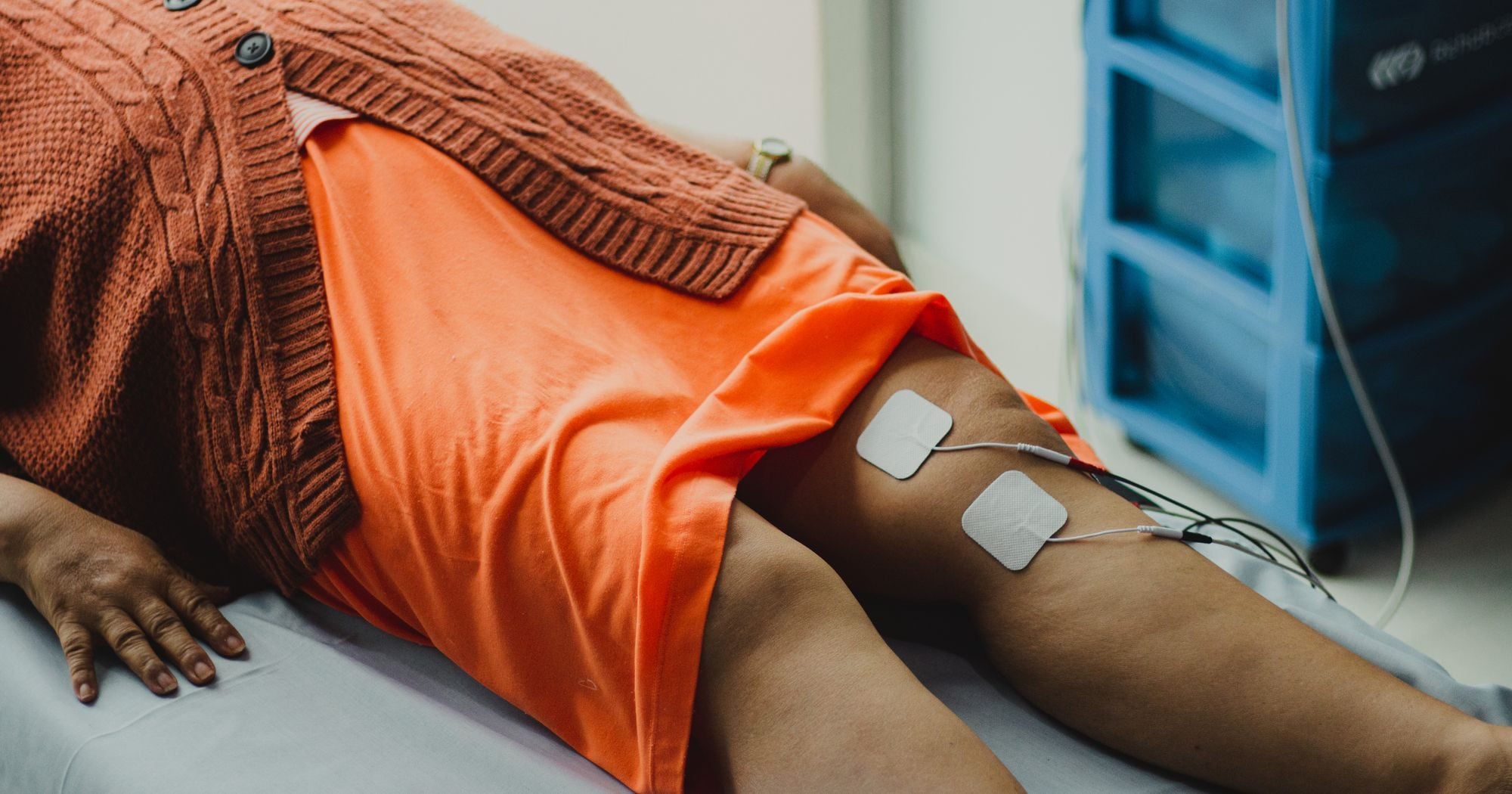
Understanding Muscle Weakness
Muscle weakness means that the force a muscle can produce is lower than expected, even when you are making a full effort. It is different from fatigue, which is tiredness that improves with rest, and from a feeling of low energy. True weakness shows up as difficulty lifting, climbing, gripping or standing. It is a very common complaint, affecting people of every age, and it becomes more frequent with older age, chronic illness and prolonged inactivity. It can limit independence, work, driving, self-care and confidence, and it often raises the risk of falls.
The causes are broad. Weakness may arise from the nervous system, including stroke, brain injury, multiple sclerosis, Parkinson's disease, spinal cord problems and peripheral neuropathy. It may come from the muscles or the junction between nerve and muscle, as in myopathies or myasthenia gravis. Other contributors include deconditioning after hospitalization or surgery, low vitamin D, thyroid and electrolyte disorders, anemia, infections, certain medications such as statins or corticosteroids, poor sleep, depression, and chronic pain. Risk grows with age, inactivity, poor nutrition, chronic disease and a family history of neuromuscular conditions.
Professional treatment matters because the right approach depends on the cause, and guessing can delay recovery or miss a serious condition. A structured evaluation separates weakness that needs urgent medical attention from weakness that responds well to rehabilitation. With targeted therapy, strengthening, strategies for conserving energy and attention to mood, sleep and medications, many people regain function, move more safely and take back activities that matter to them.
Signs & Symptoms of Muscle Weakness
- Difficulty lifting objects. Carrying groceries, lifting a pot or raising an arm overhead feels harder than it used to.
- Trouble climbing stairs. Legs tire quickly or feel unable to push your body up a step.
- Rising from a chair with effort. You may need your hands to push up from a seat or the toilet.
- Fatigue with ordinary tasks. Muscles tire far sooner than expected during daily activity.
- Weak grip. Opening jars, holding utensils or turning keys becomes difficult.
- Heaviness in the limbs. Arms or legs feel leaden or slow to respond.
- Reduced balance or stability. Legs feel unreliable, making walking on uneven ground harder.
- Muscle shrinkage. One limb or area may look thinner than the other side.
What to Expect
- A review of your history, medications and when the weakness began
- Observation of how you move, rise, walk and use your hands
- Goals tied to your daily life, such as dressing, cooking or walking safely
- Regular reassessment with adjustments as your strength changes
- Coordination with your other clinicians through case management
How We Treat Muscle Weakness
Assessment
We review your history, medications, and when the weakness began and what makes it better or worse. We observe how you move, rise, walk and use your hands to see which daily tasks are affected. This identifies likely contributors and whether you need outside medical testing or referral.
Treatment Plan
Together we set goals tied to your life, such as dressing, cooking, or walking safely. Your plan may include occupational therapy, speech therapy when swallowing or speech are involved, and psychiatric or counseling support when mood, sleep or stress contribute. You will know what each step is for and how we will measure progress.
Ongoing Care
We revisit your goals regularly and adjust exercises and strategies as your strength changes. Case management helps coordinate with your other clinicians and address practical barriers. If something is not working, we change course rather than continue the same plan.
Benefits
A Personalized Care Plan
Your plan reflects your cause, your goals and your daily routine rather than a one-size-fits-all program.
Unhurried Time to Ask Questions
We want you to understand your condition, so your questions are welcome at every step.
Coordinated Follow-Up
Our therapists, psychiatrist and case management team work together so your care stays connected.
Your Treatment Journey
First Evaluation (Week 1)
We gather your history, observe your movement and function, and discuss your goals. You leave with a clear idea of the likely contributors and next steps, including any need for medical testing elsewhere.
Treatment Begins (Weeks 2-4)
Therapy starts with manageable exercises and daily-life strategies. Early on, expect to learn techniques and build tolerance; noticeable strength gains often take longer.
Progress Review (Months 2-3)
We measure change against your goals and adjust the plan. Many people notice easier daily tasks by this point, though progress is gradual and varies with the cause.
Long-term Management
We focus on maintaining gains, preventing setbacks and keeping a home program going. For chronic conditions, ongoing check-ins help you adapt as needs change.
Warning Signs That Need Prompt Care
Sudden one-sided weakness. Abrupt weakness in the face, arm or leg can signal a stroke and needs emergency care.
Slurred or changed speech. New difficulty speaking or understanding words needs immediate attention.
Trouble swallowing or breathing. Weakness affecting these muscles can become serious quickly.
Drooping eyelid or double vision. Eye and facial changes may point to a nerve or neuromuscular problem.
Rapidly worsening weakness. Weakness that progresses over hours or days should be evaluated promptly.
Numbness or loss of bowel/bladder control. These can indicate spinal cord or nerve compression.
Frequent falls. Repeated falls suggest weakness that is affecting safety.
Severe confusion or headache with weakness. This combination calls for urgent medical evaluation.
If you recognize these signs, help is available. Early treatment leads to better outcomes.
Evidence-Based Care for Muscle Weakness
Evidence-based care for weakness commonly includes progressive resistance and functional strengthening, task-specific practice that repeats real activities, balance and gait training, and energy conservation and pacing techniques. Occupational therapy may add adaptive equipment, joint protection and home safety changes. Speech therapy can address swallowing and voice weakness. Because low mood, anxiety, poor sleep and some medications can worsen weakness, psychiatric review and counseling are considered when appropriate. Any medication decision is individualized and made with your physician.
Why Choose Irvine Neuro Rehabilitation for Muscle Weakness Treatment
See benefits list.
Common Questions About Muscle Weakness
How long does muscle weakness treatment take?
It depends on the cause. Weakness from deconditioning or a short illness may improve over weeks to a few months, while weakness from a chronic neurological condition is usually managed over a longer period. After your evaluation, we will explain a realistic timeline for your situation.
Is medication required?
Not always. Many people improve with therapy, targeted exercise and adaptations to daily routines. When an underlying condition such as a mood disorder, a medication side effect or a neurological problem contributes, medication may be discussed as part of your plan.
Does insurance cover treatment?
Coverage varies by plan and by the services involved. Call us at (248) 415-2500 and our team can talk through your questions before you begin.
What if the first treatment does not work?
Weakness rarely has a single cause, so plans are meant to change. If progress stalls, we reassess, look again at contributing factors, adjust the approach and coordinate with your other clinicians as needed.
When should I seek emergency care instead?
Sudden weakness on one side, facial drooping, speech changes, trouble breathing or swallowing, or loss of bowel or bladder control needs emergency care. Call 911 rather than waiting for an appointment.
What can I do at home to help?
Stay as active as is safe, follow any exercises you are given, eat enough protein, sleep well and keep a log of when weakness is worse. Bring that log to your visit, since patterns help identify causes.
Related Conditions
Get Help for Muscle Weakness Today
You don't have to face Muscle Weakness alone. We are ready to help.
Schedule an Appointment