
Spinal Cord Injury Treatment in Southfield
A spinal cord injury changes how the body moves, feels and functions, and it affects the whole family. At Irvine Neuro Rehabilitation, our team provides specialty medical care in Southfield, MI focused on rebuilding independence and supporting long-term well-being.
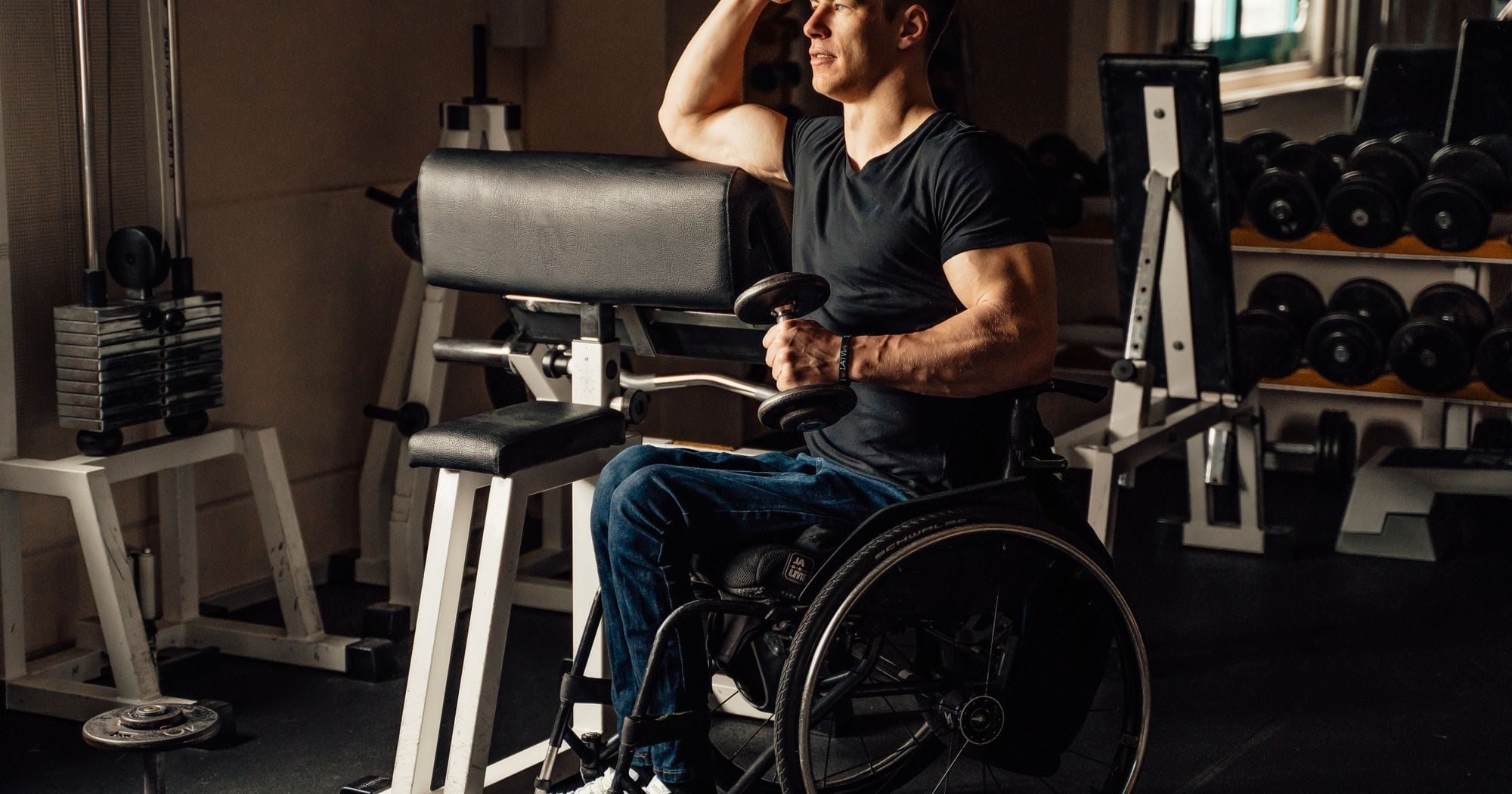
Understanding Spinal Cord Injury
A spinal cord injury (SCI) is damage to the bundle of nerves that carries messages between the brain and the body. Depending on where the injury occurs and how severe it is, it can affect movement, sensation, bladder and bowel function, blood pressure regulation, breathing and sexual function. Injuries are often described as tetraplegia (affecting the arms, trunk and legs) or paraplegia (affecting the trunk and legs), and as complete or incomplete depending on how much function remains below the injury. Tens of thousands of new injuries occur in the United States each year, and many people live with the long-term effects. The impact reaches beyond the body, shaping work, relationships, mobility, home life and emotional health.
Most spinal cord injuries result from sudden trauma, including motor vehicle crashes, falls, sports and recreation injuries, and acts of violence. Falls are especially common among older adults, whose spines may be more vulnerable. Non-traumatic causes include tumors, infections, inflammation, degenerative spine conditions such as spinal stenosis, loss of blood flow to the cord, and complications of surgery. Risk factors include age, male sex, high-risk activities, bone-weakening conditions and not using protective equipment such as seat belts, helmets and fall-prevention measures.
Emergency and surgical care stabilize the spine, but rehabilitation is what helps people rebuild skills and adapt after the acute phase. Professional treatment helps prevent secondary complications such as pressure injuries, contractures, urinary infections and deconditioning, while addressing the emotional toll of sudden change. A coordinated team can teach practical strategies for self-care, communication, energy management and safe movement, and can support mood, sleep and coping. Starting rehabilitation thoughtfully, and continuing it over time, gives you the best opportunity to maximize independence and quality of life.
Signs & Symptoms of Spinal Cord Injury
- Loss of movement. Partial or complete weakness or paralysis in the arms, legs or trunk below the level of injury.
- Changes in sensation. Numbness, tingling, or reduced ability to feel heat, cold and touch.
- Muscle spasticity. Stiffness or involuntary spasms that interfere with movement and comfort.
- Pain or pressure. Nerve-related pain, burning or aching in the back, neck or limbs.
- Bladder and bowel changes. Difficulty controlling or emptying the bladder or bowel.
- Balance and walking difficulty. Trouble standing, transferring or walking safely.
- Fatigue. Reduced endurance during daily activities and exercise.
- Mood and sleep changes. Adjustment difficulties, low mood, anxiety or disrupted sleep after injury.
What to Expect
- Careful assessment of injury history, abilities, goals and daily challenges
- Treatment plan built around your personal goals
- Occupational therapy, speech therapy, psychiatric care and counseling coordinated as needed
- Ongoing review and adjustment as your needs change
- Long-term management to maintain abilities and prevent complications
How We Treat Spinal Cord Injury
Assessment
We begin with a careful review of your injury history, current abilities, goals and daily challenges. Our team evaluates movement, sensation, communication, cognition, mood and self-care needs. This shapes a clear picture of where you are and what matters most to you.
Treatment Plan
Your plan is built around your goals, such as dressing, transfers, communication or returning to work and home roles. Occupational therapy, speech therapy, psychiatric care and counseling are coordinated as your needs require. We explain each step so you and your family know what to expect.
Ongoing Care
Recovery after spinal cord injury continues over time, so we review progress and adjust goals as you change. Strategies are updated for new challenges, equipment needs and emotional well-being. Follow-up stays coordinated across the providers involved in your care.
Benefits
A Personalized Care Plan
No two spinal cord injuries are alike. Your plan reflects your injury, abilities and personal goals rather than a generic protocol.
Time to Ask Questions
We take the time to explain your care in plain language and welcome questions from you and your family at every step.
Coordinated Follow-Up
Our team includes occupational therapy, speech therapy, psychiatry, case management and counseling, helping care stay connected over time.
Your Treatment Journey
First Evaluation (Week 1)
We review your history, medical records and goals, and assess function and daily needs. You will leave with an understanding of the initial plan and priorities.
Treatment Begins (Weeks 2–4)
Therapy sessions start, focused on practical skills such as self-care, transfers, communication and coping. Early progress is often gradual, and building routines and confidence is a key focus.
Progress Review (Months 2–3)
We revisit your goals, measure changes and adjust the plan. Some people see meaningful gains in function, while others see gains in independence through new strategies and equipment.
Long-term Management
Spinal cord injury is a lifelong condition, so care focuses on maintaining abilities, preventing complications and supporting emotional health. We adapt the plan as your life and needs change.
Warning Signs That Need Prompt Care
Sudden weakness or paralysis. New loss of movement after a fall, accident or injury needs emergency evaluation.
Severe neck or back pain after trauma. Intense pain following an impact may signal an unstable spine.
Loss of bladder or bowel control. A sudden change can indicate spinal cord compression.
Difficulty breathing. Injuries high in the neck can affect the muscles used for breathing.
Pressure sores. Red or broken skin over bony areas needs prompt attention to prevent infection.
Sudden severe headache with high blood pressure. This can be autonomic dysreflexia, a medical emergency in higher-level injuries.
New or worsening numbness. Spreading sensory loss may indicate changes in the spinal cord.
Fever with increasing spasticity or pain. These may signal infection or another complication.
If you recognize these signs, help is available. Early treatment leads to better outcomes.
Evidence-Based Rehabilitation Approaches
Rehabilitation after spinal cord injury draws on evidence-based approaches. Occupational therapy focuses on activities of daily living, transfer training, adaptive equipment, upper-limb function, energy conservation and home and workplace adaptations. Speech therapy can address swallowing, voice and breathing-related speech concerns, and cognitive-communication difficulties if a brain injury occurred alongside the spinal injury. Task-specific practice, strengthening, and repetition support neuroplasticity and functional gains. Psychiatric care may include medication when appropriate, such as treatments for depression, anxiety or sleep problems, and medications for spasticity or nerve pain are typically coordinated with your medical team. Counseling and case management help with coping, goal setting, resources and care coordination.
Why Choose Irvine Neuro Rehabilitation for Spinal Cord Injury Treatment
See the benefits listed: A Personalized Care Plan, Time to Ask Questions, Coordinated Follow-Up.
Common Questions About Spinal Cord Injury
How long does spinal cord injury treatment take?
Rehabilitation is highly individual. Many people work with a therapy team for months, and some need periodic support for years. The pace depends on the level and completeness of the injury, your health and your goals.
Is medication required?
Not always. Medication may help with spasticity, nerve pain, mood or sleep, and our psychiatrist can discuss whether it is appropriate for you. Decisions are made together and reviewed regularly.
Does insurance cover spinal cord injury treatment?
Coverage varies by plan and by service. Please call us at (248) 415-2500 and we can discuss your questions, and we also suggest confirming benefits with your insurer.
What if the first treatment does not work?
Progress after spinal cord injury is rarely a straight line. If something is not helping, we reassess your goals and change the approach, whether that means different techniques, adaptive strategies or added supports.
Can a spinal cord injury be cured?
There is currently no cure that fully reverses spinal cord damage. Rehabilitation can help you make the most of your abilities, adapt daily routines, reduce complications and improve quality of life.
How do I get started with care in Southfield?
Call Irvine Neuro Rehabilitation at (248) 415-2500 or use our contact page. We will talk through your situation and explain the next steps.
Get Help for Spinal Cord Injury Today
You don't have to face Spinal Cord Injury alone. We are ready to help.
Schedule an Appointment