
Stroke Treatment in Southfield
A stroke can change how you move, speak, think and feel, but the brain can adapt with the right support. Our Southfield team offers occupational therapy, speech therapy, psychiatric care and counseling to help you rebuild skills and independence.
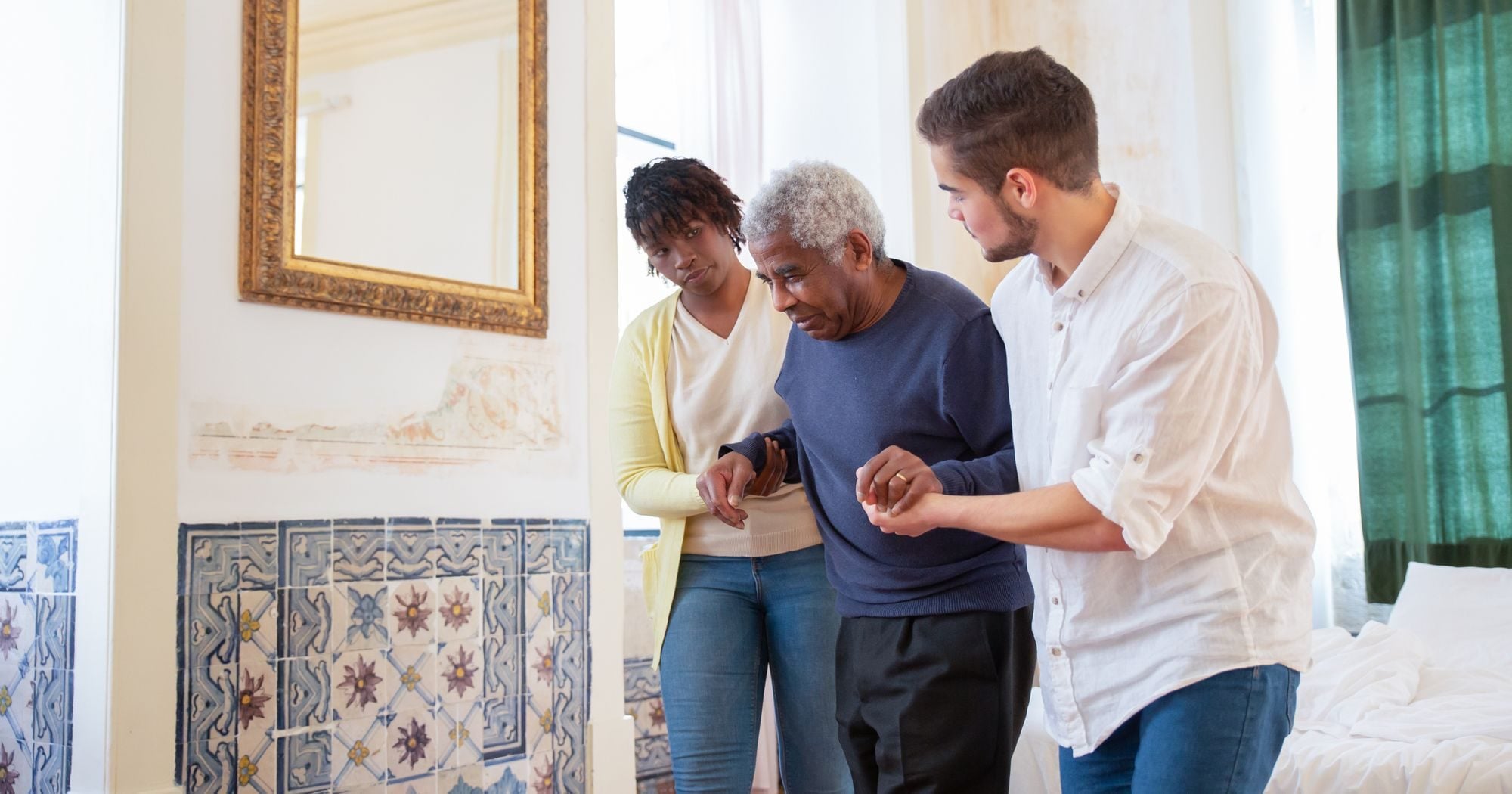
Understanding Stroke
A stroke happens when blood flow to part of the brain is interrupted or a blood vessel in the brain bursts. Brain cells in the affected area are deprived of oxygen and begin to be damaged within minutes. Stroke is a leading cause of long-term disability, and many adults live with its effects for years. Depending on which part of the brain is affected, a stroke can impair movement, sensation, speech, vision, swallowing, memory and emotional regulation, and it often affects work, relationships and independence.
Most strokes are ischemic, caused by a clot or narrowed artery that blocks blood flow. Others are hemorrhagic, caused by bleeding in or around the brain. A transient ischemic attack, sometimes called a mini-stroke, causes temporary symptoms and is a serious warning sign. Major risk factors include high blood pressure, diabetes, high cholesterol, smoking, atrial fibrillation and other heart disease, obesity, physical inactivity and excessive alcohol use. Age and family history also play a role, and strokes can occur at younger ages too.
Emergency treatment saves lives, but recovery usually continues long after the hospital stay. Professional rehabilitation helps the brain form new connections through repeated, goal-directed practice, a process called neuroplasticity. Skilled therapists teach safe strategies, guide exercises at the right level of challenge and help prevent complications such as falls, shoulder problems and withdrawal from daily life. Starting rehabilitation and staying consistent gives you the best chance to regain function and confidence.
Signs & Symptoms of Stroke
- One-sided weakness. Weakness or heaviness in an arm, hand or leg, usually on one side of the body.
- Difficulty speaking. Slurred, slow or hard-to-find words, known as aphasia or dysarthria.
- Trouble understanding. Difficulty following conversation, reading or writing.
- Balance and coordination changes. Unsteady walking, clumsiness or frequent stumbling.
- Vision changes. Blurred vision, double vision or loss of part of the visual field.
- Swallowing difficulty. Coughing or choking with food or drink, called dysphagia.
- Memory and thinking changes. Problems with attention, planning, memory or problem solving.
- Mood changes. Depression, anxiety, irritability or emotional swings after a stroke.
What to Expect
- Occupational therapy supports daily activities and arm and hand function
- Speech therapy addresses language, communication, thinking skills and swallowing
- Counseling and psychiatric care help with the emotional effects of stroke
- Plans are personalized and adjusted as your abilities change
- Home practice and caregiver guidance help skills carry over into daily life
How We Treat Stroke
Assessment
We review your stroke history, medical records and current symptoms. We evaluate movement, speech, swallowing, thinking and mood as relevant to you. We also ask about your home, work and personal goals.
Treatment Plan
Your plan sets priorities based on your evaluation and goals. Occupational therapy, speech therapy, counseling and psychiatric care are combined as needed. We explain each step so you and your family know what to expect.
Ongoing Care
We track progress and adjust exercises as abilities change. Home practice and caregiver guidance help skills carry over into daily life. Follow-up keeps your plan current as new needs arise.
Benefits
A Personalized Care Plan
No two strokes are alike. Our team of an occupational therapist, speech therapist, psychiatrist and licensed counselors can shape a plan around your needs and goals.
Unhurried Time to Ask Questions
Recovery raises many questions for patients and families. We take the time to explain what we find, what we recommend and why.
Coordinated Follow-up
Our providers work together so therapy, mood care and case management stay connected as your needs change. Call (248) 415-2500 to learn more.
Your Treatment Journey
First Evaluation (Week 1)
We review your medical history, hospital records and current abilities, and discuss what matters most to you in daily life. Expect questions about movement, speech, thinking, mood and safety at home.
Treatment Begins (Weeks 2-4)
Therapy sessions start and focus on a few clear priorities. Early progress is often gradual, and learning new routines and exercises is a normal part of this stage.
Progress Review (Month 2-3)
We revisit your goals, compare your abilities with the first evaluation and adjust the plan. Recovery is uneven, and plateaus are common and do not mean progress has stopped.
Long-term Management (Ongoing)
We help you maintain gains, practice skills at home and address new needs. Recovery can continue for months or years, and prevention of another stroke remains a shared focus with your medical team.
Warning Signs That Need Prompt Care
Face drooping. One side of the face sags or feels numb, especially when smiling.
Arm weakness. One arm drifts downward when both are raised.
Speech difficulty. Sudden slurred speech or inability to repeat a simple sentence.
Sudden severe headache. An abrupt, unusually intense headache with no known cause.
Sudden confusion. Abrupt disorientation or trouble understanding others.
Sudden vision loss. Loss of vision in one or both eyes that comes on quickly.
Sudden dizziness. Loss of balance or coordination that starts without warning.
Numbness on one side. Sudden numbness or tingling in the face, arm or leg.
Sudden symptoms are an emergency. Call 911 immediately.
If you recognize these signs, help is available. Early treatment leads to better outcomes.
Evidence-Based Stroke Rehabilitation
Evidence-based stroke rehabilitation relies on repetitive, task-specific practice. Occupational therapy may include constraint-induced movement therapy, fine-motor and strengthening exercises, sensory re-education, adaptive equipment training and strategies for dressing, cooking and other daily activities. Speech therapy may include language exercises for aphasia, cognitive-communication training, voice and articulation work, and swallowing strategies. Counseling and cognitive behavioral approaches help with adjustment, anxiety and depression, and medication may be considered by a psychiatrist when mood symptoms are significant. Medicines to prevent another stroke, such as blood thinners or blood pressure drugs, are managed by your primary or neurology team.
Common Questions About Stroke
How long does stroke treatment take?
Recovery varies widely. Many people work with therapists for several months, and improvement can continue well beyond that. The size and location of the stroke, your overall health and how consistently you practice all matter. We review progress regularly and adjust the plan.
Is medication required?
Medication is not always part of rehabilitation, but many stroke survivors take medicines prescribed by their medical team to lower the risk of another stroke. Mood symptoms such as depression or anxiety may also be treated with medication or counseling. Our medical director is a psychiatrist who can address those concerns as part of a plan.
Does insurance cover stroke rehabilitation?
Coverage depends on your plan and the services involved. We do not list specific plans here, so please call (248) 415-2500 to ask about your situation, and check with your insurer about therapy benefits.
What if the first treatment does not work?
Rehabilitation is adjusted over time. If an approach is not helping, we change exercises, goals or the mix of therapies. Plateaus are common and do not mean recovery is over.
What types of therapy help after a stroke?
Occupational therapy supports daily activities and arm and hand function. Speech therapy addresses language, communication, thinking skills and swallowing. Counseling and psychiatric care can help with the emotional effects of stroke.
When should I seek emergency care?
Sudden face drooping, arm weakness, speech difficulty or severe headache is an emergency. Call 911 right away. Rehabilitation is for the recovery phase after a stroke has been treated.
Get Help for Stroke Today
You don't have to face Stroke alone. We are ready to help.
Schedule an Appointment