
Neuropathy Treatment in Southfield
Neuropathy can turn everyday steps, handshakes and nights of sleep into a struggle. At Irvine Neuro Rehabilitation in Southfield, MI, our team builds a personalized plan to ease symptoms, protect function and help you move with greater confidence.
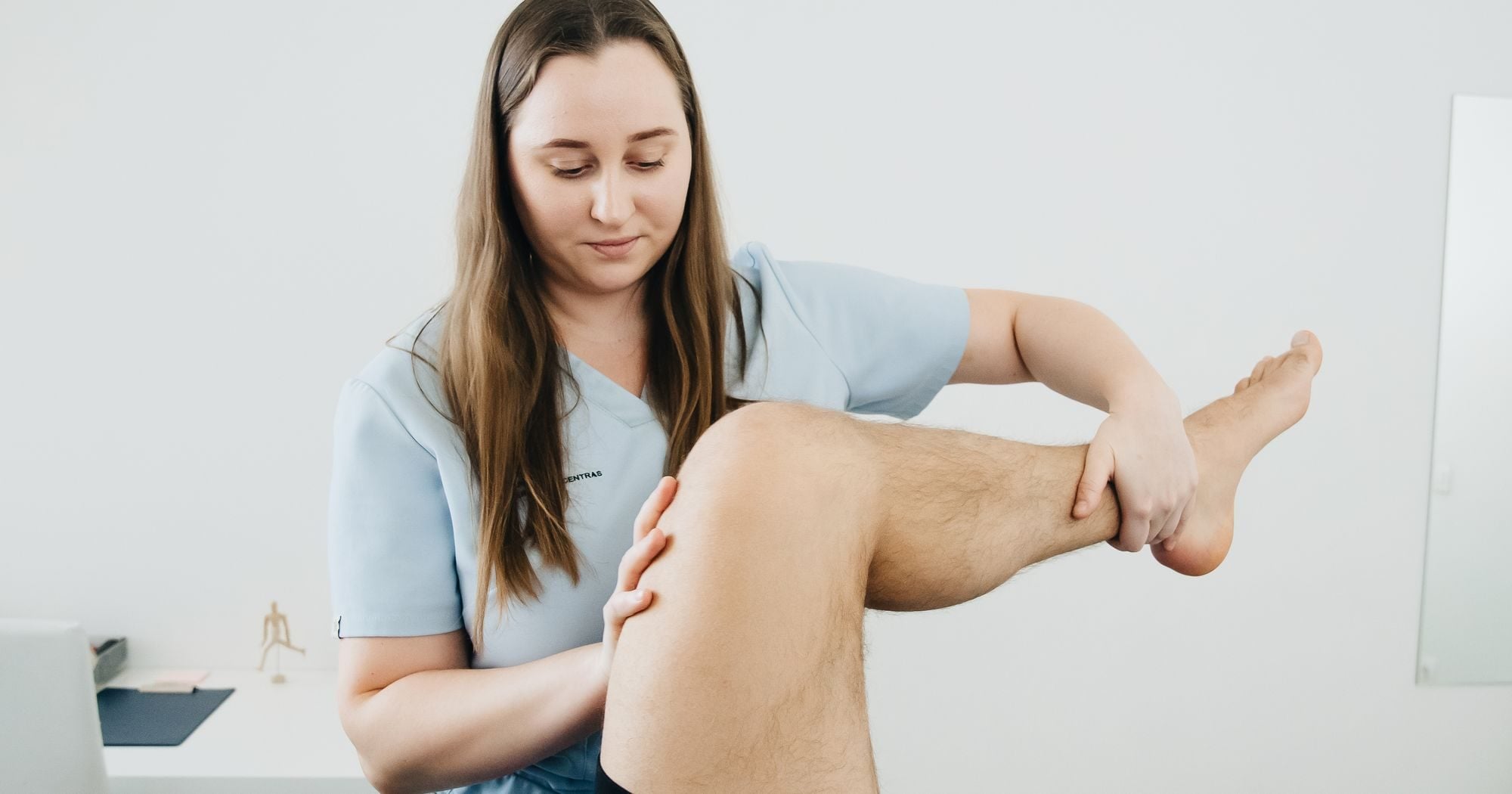
Understanding Neuropathy
Neuropathy, often called peripheral neuropathy, is damage or dysfunction of the nerves outside the brain and spinal cord. These nerves carry sensation, movement signals and automatic body functions, so when they are injured the result can be numbness, tingling, burning pain, weakness or poor balance. It is common, and it becomes more frequent with age and with conditions such as diabetes. Because symptoms usually begin in the feet and hands, they can quietly affect walking, driving, work, hobbies and sleep.
Neuropathy has many possible causes. Diabetes is the most well-known, but others include vitamin B12 and other nutritional deficiencies, heavy alcohol use, thyroid and kidney disease, autoimmune conditions, infections, nerve compression or injury, exposure to toxins, inherited conditions and side effects of certain medications, including some chemotherapy drugs. Risk rises with long-standing high blood sugar, older age, family history and repetitive stress on a nerve. In some people, no clear cause is identified even after a thorough work-up.
Professional treatment matters because nerve damage can progress silently. Reduced sensation raises the risk of falls, burns and unnoticed foot injuries, and untreated pain can lead to poor sleep, low mood and withdrawal from activity. A careful evaluation helps identify the cause, rule out other conditions and guide a plan that may combine rehabilitation, symptom management and attention to the underlying problem. Early care gives nerves the best chance to recover and helps protect your independence.
Signs & Symptoms of Neuropathy
- Numbness. Loss of feeling, often beginning in the toes or fingers, that can slowly spread upward.
- Tingling or "pins and needles". A prickling sensation that appears without an obvious cause, especially at rest.
- Burning pain. A hot or searing discomfort in the feet or hands that is often worse at night.
- Sharp, shooting pain. Sudden electric-like jolts that can interrupt sleep and daily tasks.
- Sensitivity to touch. Even light contact from socks or bedsheets may feel painful.
- Muscle weakness. Difficulty gripping objects, opening jars or lifting the foot while walking.
- Poor coordination. Fumbling with buttons, dropping items or feeling unsteady on your feet.
- Temperature changes. Hands or feet may feel unusually cold, hot or unable to sense temperature.
What to Expect
- Assessment of your history, symptoms, sensation, strength, balance and function
- A personalized plan matched to your cause, symptoms and goals
- Therapy to improve strength, hand function, balance and safe movement
- Home strategies so progress continues between visits
- Ongoing follow-up with adjustments as symptoms change
- Medication options reviewed with our medical director where appropriate
How We Treat Neuropathy
Assessment
We begin by listening to your history, symptoms and daily challenges. Your sensation, strength, balance and function are reviewed, along with medications and health conditions that may contribute. This helps clarify what is driving your symptoms and what goals matter most to you.
Treatment Plan
Together we build a plan matched to your cause, symptoms and goals. It may include therapy to improve strength, hand function, balance and safe movement, along with strategies for pain and sensory changes. Where medication is appropriate, our medical director can review options with you.
Ongoing Care
We check how you are responding and adjust the plan as your symptoms change. You receive practical home strategies so progress continues between visits. Follow-up is coordinated so questions are addressed and changes are made early.
Benefits
A Personalized Care Plan
Your plan reflects your symptoms, cause, daily routine and goals rather than a one-size-fits-all protocol. Our team includes occupational therapy, speech therapy, psychiatry and counseling professionals, so support can be shaped around you.
Unhurried Time to Ask Questions
Living with nerve symptoms raises many questions. We want you to understand your condition, your options and what to expect, and to feel comfortable raising concerns at any stage.
Coordinated Follow-Up
Care does not stop after the first visit. Follow-up is organized so your team stays aligned, your progress is reviewed and your plan is updated as your needs change.
Your Treatment Journey
First Evaluation (Week 1)
We review your history, symptoms, medications and goals, and examine sensation, strength and balance. You leave with a clear understanding of next steps.
Treatment Begins (Weeks 2-4)
Therapy and symptom-management strategies start, and you learn home exercises and safety habits. Early changes are often modest; nerves heal slowly, so patience matters.
Progress Review (Month 2-3)
We compare your function and symptoms with your starting point and adjust the plan. If something is not helping, we change course.
Long-term Management
Many people need ongoing strategies to maintain function and prevent complications. Periodic check-ins keep your plan current.
Warning Signs That Need Prompt Care
Rapidly worsening weakness. Weakness that progresses over days or weeks needs prompt medical evaluation.
Frequent falls. Loss of balance or sensation in the feet raises the risk of injury.
Foot sores that do not heal. Numb feet can hide cuts and blisters, which may become infected.
Loss of bladder or bowel control. This can signal nerve involvement that requires urgent attention.
Sudden numbness on one side. This may point to a different neurological problem and calls for emergency care.
Difficulty swallowing or speaking. Changes in these functions should be assessed right away.
Spreading symptoms. Numbness or pain moving up the legs or into the arms suggests progression.
Pain that disrupts sleep or work. Persistent symptoms that limit daily life deserve a professional plan.
If you recognize these signs, help is available. Early treatment leads to better outcomes.
Evidence-Based Care for Neuropathy
Evidence-based care for neuropathy typically starts with treating the underlying cause, such as improving blood sugar control or correcting a vitamin deficiency. Rehabilitation approaches include strengthening and balance training, gait and fall-prevention work, occupational therapy for hand function and daily tasks, desensitization techniques and education on foot protection. For nerve pain, physicians may consider medication classes such as certain anticonvulsants, antidepressants or topical agents, chosen individually based on your health and other medications. Counseling and coping strategies can also help when chronic symptoms affect mood and sleep.
Why Choose Irvine Neuro Rehabilitation for Neuropathy Treatment
Icons: A Personalized Care Plan (M15.75 6a3.75 3.75 0 1 1-7.5 0 3.75 3.75 0 0 1 7.5 0ZM4.5 20.1a7.5 7.5 0 0 1 15 0); Unhurried Time to Ask Questions (M8.625 9.75a.375.375 0 1 1-.75 0 .375.375 0 0 1 .75 0Zm4.125 0a.375.375 0 1 1-.75 0 .375.375 0 0 1 .75 0Zm4.125 0a.375.375 0 1 1-.75 0 .375.375 0 0 1 .75 0ZM21 12c0 4.14-4.03 7.5-9 7.5a10 10 0 0 1-3.5-.63L3 20l1.5-3.9C3.57 14.9 3 13.5 3 12c0-4.14 4.03-7.5 9-7.5s9 3.36 9 7.5Z); Coordinated Follow-Up (M9 12.75 11.25 15 15 9.75M12 3l8 3v5c0 5-3.4 8.5-8 10-4.6-1.5-8-5-8-10V6l8-3Z)
Common Questions About Neuropathy
How long does neuropathy treatment take?
It depends on the cause and how long nerves have been affected. Some people notice improvement in function within several weeks, while nerve recovery can take months, and some people need long-term management. Your clinicians will discuss a realistic timeline after your evaluation.
Is medication required for neuropathy?
Not always. Some people benefit from rehabilitation, activity changes and managing the underlying cause alone. When nerve pain is significant, medication may be considered, and any prescribing decision is made with a physician after reviewing your history.
Does insurance cover neuropathy treatment?
Coverage varies by plan and by service. We do not list specific accepted plans here, so please call (248) 415-2500 to ask about your situation, and check with your insurer about your benefits.
What if the first treatment does not work?
Neuropathy often needs adjustment. If symptoms do not improve, your plan can be reviewed, therapies changed and the underlying cause reconsidered. Finding the right combination is a normal part of care.
What causes neuropathy?
Common causes include diabetes, vitamin deficiencies, alcohol use, certain medications including some chemotherapy drugs, infections, autoimmune conditions, injuries and inherited conditions. Sometimes no cause is found.
Can neuropathy be cured?
It depends on the cause. When an underlying problem such as a vitamin deficiency is corrected, nerves may recover. In other cases the goal is to slow progression, reduce symptoms and protect function and safety.
Get Help for Neuropathy Today
You don't have to face Neuropathy alone. We are ready to help.
Schedule an Appointment