
Rehabilitation After Hip, Knee and Shoulder Surgery
Recovering from hip, knee or shoulder surgery takes more than time. At Irvine Neuro Rehabilitation in Southfield, MI, our therapists help you rebuild motion, strength and confidence with a plan that follows your surgeon's instructions.
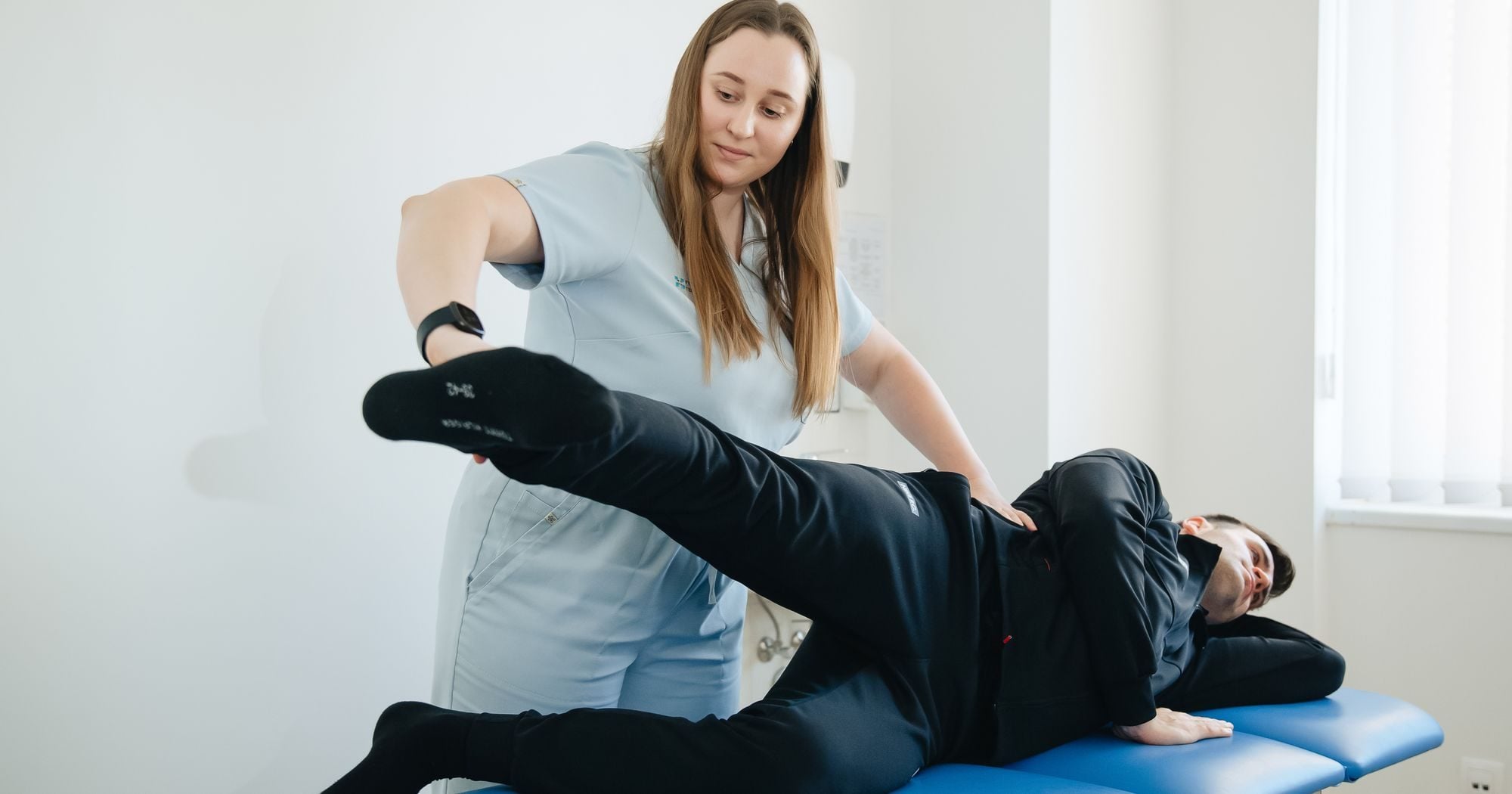
Rehabilitation After Joint Surgery
Hip, knee and shoulder operations, including joint replacements and repairs of torn tissue, are among the most common orthopedic surgeries. The operation repairs the joint, and rehabilitation helps it move and work again. Surgeons commonly recommend physical therapy afterward to restore range of motion, rebuild the muscles around the joint and return safely to walking, reaching, lifting and the other activities of daily life.
Rehabilitation usually follows the surgeon's protocol, which sets limits such as how much weight the leg can bear or how far the shoulder may move in the first weeks. Therapy starts within those limits and progresses as healing allows. Early sessions often focus on swelling, pain, gentle motion and safe ways to get around, then move on to strengthening, balance and the specific tasks you want to get back to.
Irvine treats patients after hip, knee and shoulder surgery, alongside our long-standing work with brain injury and stroke. Physical therapy, occupational therapy and pool therapy are all on our Southfield campus, so a plan can combine the services that fit your surgery and your goals.
Therapy after surgery may help if you
- Recently had a hip, knee or shoulder replacement or repair
- Have stiffness or limited motion in the joint since surgery
- Feel weak or unsteady walking, climbing stairs or getting up from a chair
- Have trouble reaching overhead, dressing or lifting after shoulder surgery
- Were told by your surgeon to start physical therapy
- Want help getting back to work, hobbies or exercise
What to Expect
- An evaluation of motion, strength, swelling, pain, balance and walking
- A plan that follows your surgeon's protocol and precautions
- Exercises and hands-on techniques progressed as you heal
- Practice with daily tasks such as stairs, transfers, dressing and reaching
- A home exercise program so progress continues between visits
How We Help You Recover After Surgery
Assessment
We review your operation, your surgeon's instructions and how you are moving now. The evaluation looks at range of motion, strength, swelling, pain, balance and walking, so your goals match both your healing and the activities you want back.
Treatment Plan
Therapy begins within your surgeon's precautions and builds step by step: gentle motion first, then strength, balance and task practice. Occupational therapy can help with dressing, bathing and reaching, and pool therapy may be an option once your incision has healed and your surgeon agrees.
Return to Activity
Your therapist reassesses regularly and updates the plan as you improve, keeping the focus on what matters to you, from the stairs at home to returning to work or a favorite activity.
Benefits
Care That Follows Your Surgeon's Plan
Therapy is built around your surgeon's protocol, precautions and timeline.
Physical, Occupational and Pool Therapy
Several kinds of therapy on one Southfield campus, combined as your recovery needs.
Help Getting Started
Based upon your availability we should be able to see you within 7 days, and we provide transportation within 5 miles.
What Recovery Often Looks Like
First Visit
An evaluation, a review of your surgeon's instructions and a first set of safe exercises to start at home.
Early Weeks
Work on swelling, pain and range of motion, plus safe walking, transfers and stairs, all within your precautions.
Building Strength
As healing allows, exercises progress to strength, balance and the specific movements you need for daily life.
Return to Activity
The focus shifts to work, hobbies and long-term joint health. Recovery time differs by surgery and by person, and outcomes cannot be guaranteed.
When to Call Your Surgeon
Call your surgeon promptly if you notice increasing redness, warmth, swelling or drainage at the incision, a fever, new pain or swelling in your calf, or a sudden increase in pain or loss of motion in the joint.
For chest pain or sudden shortness of breath, call 911.
Common Questions About Hip, Knee and Shoulder Surgery
Do I need a referral for therapy after surgery?
Most people start therapy after surgery with an order from their surgeon, and requirements also depend on your insurance. Call us at (248) 415-2500 and we can talk through what you need.
How soon after surgery should therapy start?
Your surgeon decides when therapy begins. Some people start within days of the operation and others after a period of protection, depending on the surgery. Bring your surgeon's instructions to your first visit.
Can I do pool therapy after joint surgery?
Pool therapy can help some people because the water supports body weight. It usually waits until the incision has fully healed and your surgeon agrees. Your therapist can help decide whether it fits your plan.
Will therapy hurt?
Some discomfort is common as a healing joint starts to move and get stronger, but therapy should not cause severe pain. Tell your therapist how you feel so the plan can be adjusted.
Does insurance cover therapy after surgery?
Coverage depends on your plan. Please call (248) 415-2500 and our team can help you check before you begin.
Related Conditions
Start Your Recovery After Surgery
Call (248) 415-2500 or reach out online to talk with our Southfield team.
Schedule an Appointment