
Medical Rehabilitation in Southfield
Medical rehabilitation combines health care and therapy to help people recover function after a brain injury or other neurological condition. At Irvine it draws on a multi-disciplinary team and a continuum of care.
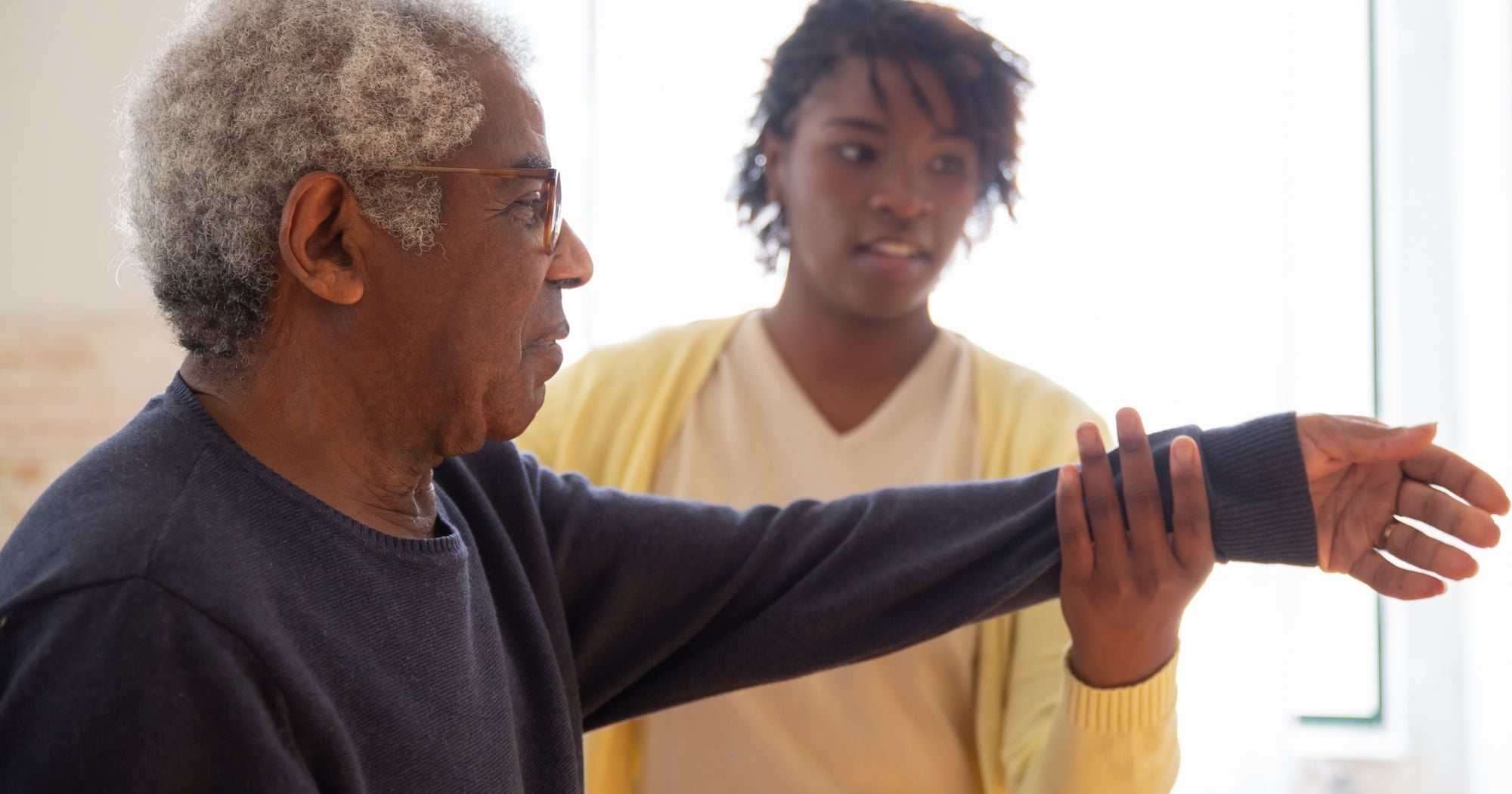
What is Medical Rehabilitation?
Medical rehabilitation is the coordinated use of medical care and rehabilitation therapies to restore function after injury or illness. For people with brain injuries, it typically combines nursing and medical oversight with physical, occupational and speech therapy, so that health needs and recovery goals are addressed together.
Irvine's program grew to include medical treatment over time. In 1994 the Newport Care Center opened for residential treatment of patients with a dual diagnosis, combining medical treatment, substance abuse and mental illness therapy, cognitive rehabilitation and residential care, and the team expanded to include speech and language pathologists and physical and occupational therapists. In 2003 a special needs unit was added for individuals requiring nursing with physician supervision.
Today, sub-acute rooms, assisted living apartments and adult foster care homes on the Southfield campus allow medical rehabilitation to take place in a homelike environment. The practice also lists pool, or aquatic, therapy among its services, which can be one option within a therapy plan.
Medical rehabilitation may help when
- A brain injury has affected movement, strength, balance or coordination
- Medical needs continue while rehabilitation begins
- Several therapies are needed at the same time
- Daily activities such as self-care, walking or communicating have become difficult
- A person is leaving a hospital stay but is not ready to manage at home
- Health and behavior needs overlap and call for a coordinated plan
What to Expect
- Coordinated physical, occupational and speech therapy
- Nursing involvement in health monitoring and prescribed medications
- Care that may take place in sub-acute, residential or apartment settings
- Pool or aquatic therapy as one possible part of a therapy plan
- Regular team review of goals and progress
Our Approach to Medical Rehabilitation
Initial Assessment
The team reviews medical history, current health needs and functional abilities such as mobility, self-care, communication and thinking.
Personalized Plan
A plan sets out which therapies and nursing support are needed and what goals they share. Our holistic approach is specific to each person's needs and physical condition.
Ongoing Support
The team reviews progress together and adjusts the plan as health and function change.
Benefits
Health and Therapy Together
Medical needs and rehabilitation goals are managed in one plan.
Multiple Disciplines
Physical, occupational and speech therapy work alongside nursing, counseling and case management.
Homelike Setting
Rehabilitation can take place in a homelike environment rather than a hospital ward.
A Continuum of Care
The level of care can change as a person progresses, within one organization.
How It Typically Unfolds
Assessment
The team learns about the injury, current health and goals, and recommends the right setting and therapies.
Early Rehabilitation
Therapy and nursing routines begin. Early goals often focus on safety, mobility and daily routines.
Progressing Goals
Therapy becomes more demanding as abilities improve, and goals are updated.
Long-term
The focus shifts toward independence and maintaining gains. Recovery varies widely and outcomes cannot be guaranteed.
Therapies that may be part of medical rehabilitation
Depending on the plan, medical rehabilitation may include physical therapy for movement, strength and balance; occupational therapy for daily living skills; speech and language pathology for communication and thinking skills; nursing for health monitoring and prescribed medications; and pool or aquatic therapy, which uses water to support movement practice.
Counseling, recreational therapy, case management and social work can also be part of the plan, so that emotional, social and practical needs are addressed alongside physical recovery.
Common Questions About Medical Rehabilitation
How is medical rehabilitation different from outpatient therapy?
Medical rehabilitation usually combines several therapies with nursing and medical oversight, often in a residential or sub-acute setting. Outpatient therapy usually means coming in for scheduled sessions while living elsewhere.
What is aquatic therapy?
Aquatic therapy is exercise and movement practice done in a pool, where water supports body weight and adds gentle resistance. The practice lists pool and aquatic therapy among its services. Whether it fits a plan depends on the person's needs and medical status.
Who is on the team?
Irvine's multi-disciplinary team includes nursing, physical therapy, occupational therapy, speech and language pathology, recreational therapy, counseling, social work and case management. Who is involved depends on each person's plan.
How long does medical rehabilitation take?
It depends on the injury, health needs and goals. The team reviews progress regularly and discusses expectations with the person and family.
How do I get started?
Call (248) 415-2500. There is no charge for a consultation, and referrals can be faxed to (248) 415-2510.
Ready to Get Help with Medical Rehabilitation?
Call (248) 415-2500 to talk with our Southfield team about the right level of care.
Book an Appointment