
Cognitive Day Group in Southfield
Our Cognitive Day Group offers structured group practice of thinking skills such as memory, attention and problem solving, in a supportive setting with others working toward similar goals.
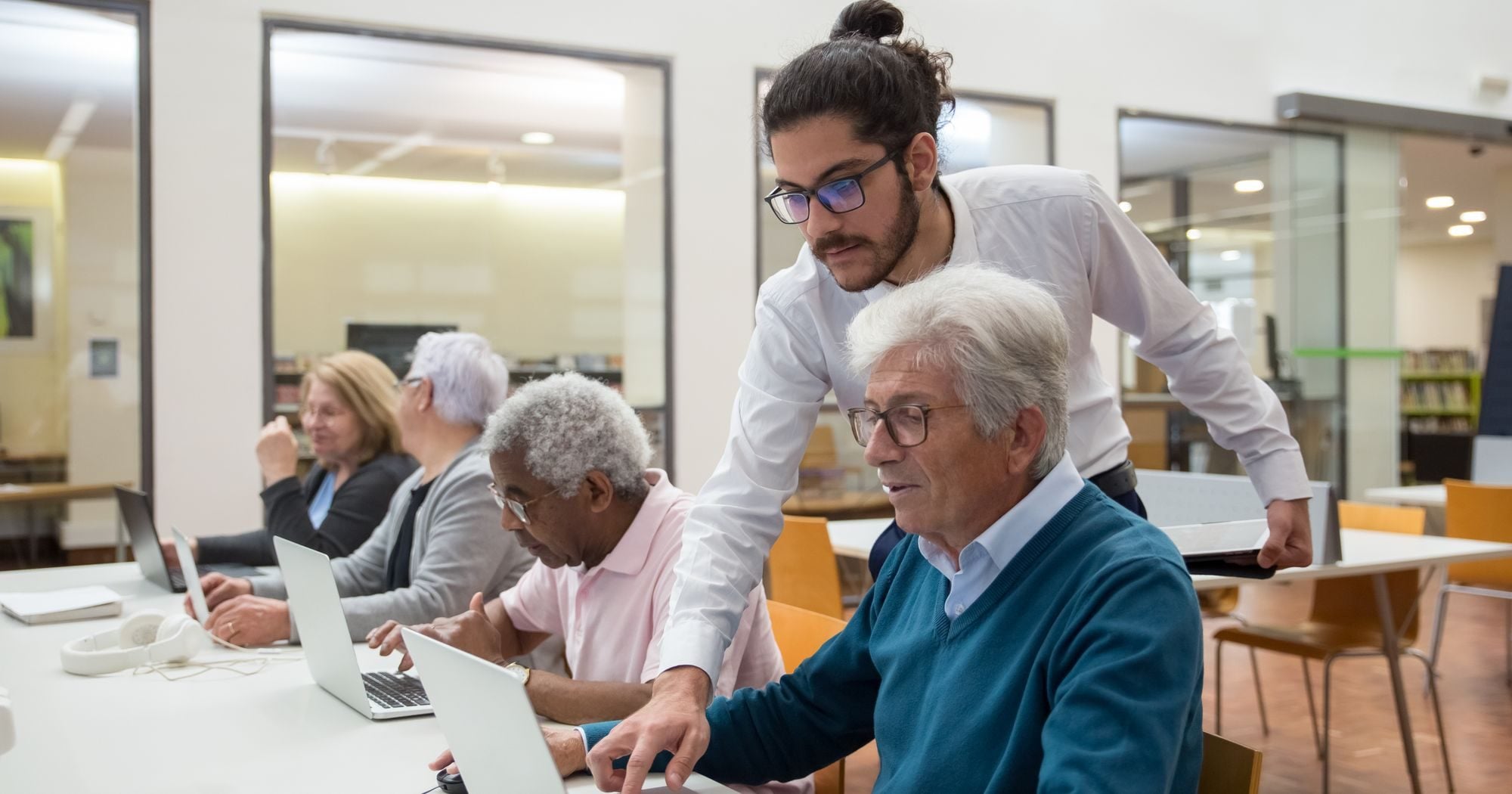
What is a Cognitive Day Group?
A cognitive day group is a structured daytime program in which people recovering from brain injury work on thinking skills together. Sessions typically combine guided exercises, practical strategies and discussion, led by rehabilitation staff.
Cognitive rehabilitation has been central to Irvine's work since 1992, when the program became Irvine Head Injury Home and focused on cognitive rehabilitation and residential care for persons with closed head injuries. In 1993 Irvine opened an outpatient office for people not requiring residential care. A day group format can suit people who live on campus as well as people who live at home.
Group work offers something individual therapy cannot: the chance to practice skills with other people, learn from peers and rebuild confidence in social situations. It is typically one part of a wider plan that may also include individual therapy.
Signs a cognitive day group may help
- Forgetting appointments, conversations or tasks
- Trouble focusing, especially with distractions
- Difficulty planning, organizing or solving everyday problems
- Losing confidence in social or group situations
- Wanting structure and purpose during the day
- Finishing more intensive therapy and wanting to keep building skills
What to Expect
- Structured group sessions focused on thinking skills
- Practical strategies for memory, attention, planning and problem solving
- Peer support from others with similar goals
- Activities linked to everyday tasks
- Coordination with individual therapy and the wider team
Our Approach to the Cognitive Day Group
Initial Assessment
Before joining, the team learns about each person's thinking skills, goals and comfort in group settings, to make sure the group is a good fit.
Personalized Plan
Although the work is done in a group, each participant has individual goals, and activities are graded so everyone is challenged at the right level.
Ongoing Support
Staff review progress and share strategies with the rest of the care team and with families, so skills carry over into daily life.
Benefits
Structure and Routine
A regular schedule supports memory, motivation and a sense of purpose.
Practical Strategies
Participants learn tools such as planners, checklists and routines they can use at home.
Peer Connection
Working alongside others can reduce isolation and build social confidence.
Team Coordination
Group goals are coordinated with individual therapy and the wider team.
How It Typically Unfolds
Getting Started
A conversation and assessment help decide whether the group is a good fit and what goals to set.
Joining the Group
Participants learn the routine and begin practicing strategies with support.
Building Skills
Activities become more challenging and are linked more closely to daily life.
Long-term
The focus moves toward using strategies independently. Progress differs from person to person.
Activities a cognitive group may include
Sessions in a cognitive group commonly include memory and attention exercises, problem solving tasks, planning and organization practice, use of calendars and checklists, discussion of strategies that work, and social communication practice.
The practice lists transportation within five miles. Ask about transportation and scheduling when you call (248) 415-2500.
Common Questions About Cognitive Day Group
What happens in a cognitive day group?
Participants work together on thinking skills such as memory, attention, planning and problem solving, through guided exercises, practical strategies and discussion.
Is a group as helpful as individual therapy?
They do different things. Individual therapy targets specific needs in depth, while a group adds peer support and real social practice. Many plans use both.
Who can join?
People recovering from brain injury who can take part in a group setting may be a good fit. The team will discuss whether it suits your needs during a consultation.
Is transportation available?
The practice lists transportation within five miles. Call (248) 415-2500 to ask whether it applies to your situation.
How do I get started?
Call (248) 415-2500 or use our contact page. There is no charge for a consultation.
Interested in the Cognitive Day Group?
Call (248) 415-2500 to ask questions and learn whether the group is a good fit.
Book an Appointment