
Spasticity Treatment in Southfield
Spasticity can make muscles stiff, painful and hard to control, turning everyday tasks into a struggle. At Irvine Neuro Rehabilitation, our team builds a personalized plan to ease tightness, protect your joints and help you move with more comfort.
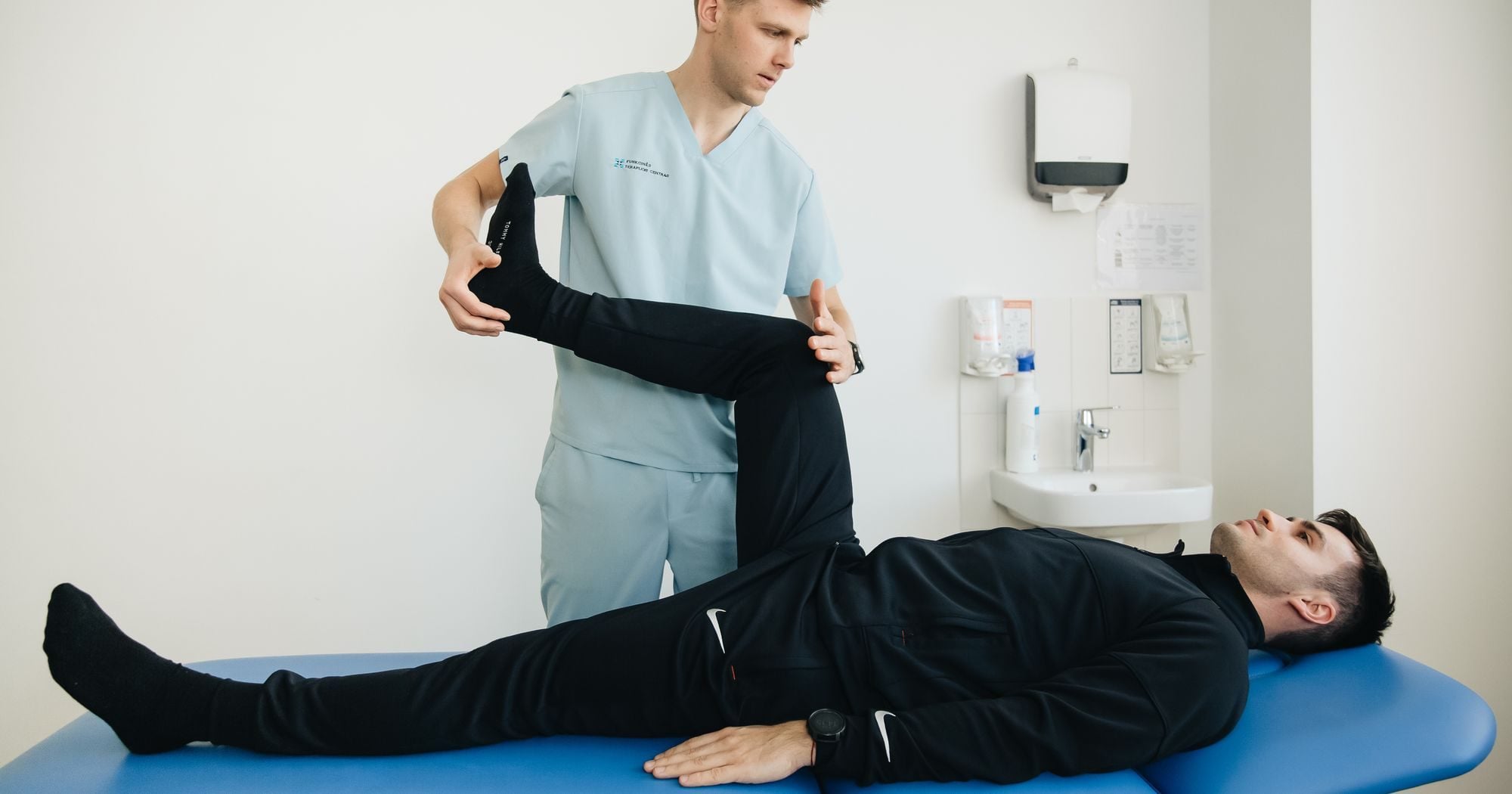
Understanding Spasticity
Spasticity is a condition in which certain muscles are continuously contracted or react too strongly to stretch. It results from disrupted signals between the brain or spinal cord and the muscles, which leaves the muscles overactive. People often describe it as tightness, stiffness, or a limb that will not relax. It can affect an arm, a leg, or several areas of the body, and it ranges from mild stiffness to severe, painful spasms that limit movement.
Spasticity is common among people living with neurological conditions. It is frequently seen after stroke, traumatic brain injury and spinal cord injury, and with multiple sclerosis and cerebral palsy. Risk factors include the type and location of the neurological injury, and symptoms can be made worse by pain, infections, pressure sores, tight clothing, constipation, fatigue and stress. Because it develops from nervous system damage, it often appears or changes in the weeks and months after the original injury.
Professional treatment matters because untreated spasticity can lead to lasting problems, including contractures, where muscles and joints shorten and lose range of motion, as well as pain, skin problems, poor sleep and loss of independence. A structured plan guided by trained clinicians can reduce these risks, make daily care easier and help you use the abilities you have. Care is most effective when it is tailored to your goals and reviewed regularly as your symptoms change.
Signs & Symptoms of Spasticity
- Muscle tightness. Muscles feel stiff or hard to relax, especially in the arms, hands, legs or feet.
- Increased resistance to movement. Moving a limb passively feels like pushing against a spring or a locked hinge.
- Involuntary muscle spasms. Sudden, uncontrolled contractions can occur at rest or when you move.
- Clonus. Rhythmic, repeated jerking of a joint, often the ankle, can follow a quick stretch.
- Abnormal posture. Limbs may rest in a bent or curled position, such as a clenched fist or flexed elbow.
- Scissoring of the legs. The thighs may cross or press together when standing or walking.
- Reduced dexterity. Fine tasks like buttoning, writing or gripping become slow and difficult.
- Fatigue with activity. Fighting stiff muscles takes extra effort and can leave you worn out.
What to Expect
- Assessment of history, muscle tone, range of motion, strength and function
- Personalized plan combining therapy, stretching, positioning and a home program
- Medical options discussed with the team physician where appropriate
- Regular progress checks with the plan adjusted as symptoms change
- Long-term management to maintain gains and prevent complications
How We Treat Spasticity
Assessment
We review your history, the cause of your spasticity and how it affects daily life. We examine muscle tone, range of motion, strength and function. Together we identify the goals that matter most to you.
Treatment Plan
We build a plan that may combine therapy, stretching, positioning and a home program. Where appropriate, medical options are discussed with the physician on the team. You learn what each step is for and how to do it safely.
Ongoing Care
We check progress at regular intervals and adjust the plan as symptoms change. Exercises and strategies are updated so they stay useful. Case management helps coordinate the support around you.
Benefits
A Personalized Care Plan
Your plan is built around your symptoms, your goals and your daily routine, with input from a team that includes occupational therapy, speech therapy, psychiatry and case management.
Unhurried Time to Ask Questions
Understanding your condition is part of treatment. We make room for your questions about symptoms, exercises and options so you feel informed at every step.
Coordinated Follow-Up
Progress is reviewed over time and the plan is updated as things change, so your care stays connected rather than starting over at each visit.
Your Treatment Journey
First Evaluation (Week 1)
We talk through your history and goals and assess tone, movement and function. You leave with an initial plan and a clear idea of what comes next.
Treatment Begins (Weeks 2-4)
Therapy sessions and a home program get started. Expect to learn stretches and positioning, and be realistic: early gains are often small and build with consistency.
Progress Review (Months 2-3)
We look at what has changed in comfort, range of motion and daily tasks, then adjust therapy or discuss medical options if more relief is needed.
Long-term Management
Because spasticity is usually ongoing, care shifts to maintaining gains, preventing complications and adapting the plan as your needs evolve.
Warning Signs That Need Prompt Care
Sudden increase in stiffness. A rapid change can signal an infection, pressure injury or other trigger needing review.
New or severe pain. Persistent pain in tight muscles or joints should be evaluated promptly.
Fixed joints (contractures). A joint that no longer moves through its range needs prompt attention.
Skin breakdown. Redness or sores where limbs press together or against a surface can worsen quickly.
Spasms that disrupt sleep. Nighttime spasms that repeatedly wake you point to uncontrolled symptoms.
Falls or loss of walking ability. New trouble with balance or mobility raises safety concerns.
Difficulty with hygiene or dressing. Tight hands or limbs that block daily care tasks call for a treatment review.
New weakness, numbness or loss of bladder control. These can indicate a new neurological problem; seek urgent medical care.
If you recognize these signs, help is available. Early treatment leads to better outcomes.
Evidence-Based Management of Spasticity
Evidence-based management of spasticity typically combines several approaches. Therapy often includes sustained stretching, range-of-motion work, strengthening of opposing muscles, task-specific practice and functional training, with occupational therapy focused on hand and arm use and daily activities. Positioning, splinting or bracing may help keep joints in a healthy alignment. Oral medications such as baclofen, tizanidine or diazepam, and injections such as botulinum toxin, are options clinicians commonly consider for more significant spasticity, and their use depends on your medical situation and physician guidance. Reducing triggers such as pain, infection and skin irritation is also an important part of care.
Why Choose Irvine Neuro Rehabilitation for Spasticity Treatment
A Personalized Care Plan
Unhurried Time to Ask Questions
Coordinated Follow-Up
Common Questions About Spasticity
How long does spasticity treatment take?
Spasticity is usually a long-term condition, so care is ongoing rather than a short course. Many people notice changes in comfort and movement over several weeks of consistent therapy and home exercise, and the plan is adjusted as your needs change.
Is medication required?
Not always. Stretching, positioning, exercise and task-based therapy are the foundation for many people. When symptoms are more significant, medication may be discussed with a physician as one part of the plan. Any decision is individualized.
Does insurance cover spasticity treatment?
Coverage depends on your plan and the services involved. We do not list specific plans here, so please call (248) 415-2500 and ask about coverage, and check with your insurer as well.
What if the first treatment does not work?
Spasticity often needs adjustment. If a approach does not give enough relief, the plan can be revised by changing the therapy, the home program, or the medical options under discussion. Tell us what is and is not helping.
Can spasticity be cured?
Spasticity caused by damage to the brain or spinal cord usually cannot be cured, but it can often be managed. The goals are comfort, easier movement, protection of joints and better daily function.
Where can I find spasticity treatment in Southfield?
Irvine Neuro Rehabilitation serves Southfield, MI, with a team that includes occupational therapy, speech therapy, psychiatry and case management. Call (248) 415-2500 to ask about your situation.
Related Conditions
Get Help for Spasticity Today
You don't have to face Spasticity alone. We are ready to help.
Schedule an Appointment