
Post-Concussion Syndrome Treatment in Southfield
Headaches, dizziness, fatigue, and foggy thinking that linger after a head injury can disrupt every part of your life. At Irvine Neuro Rehabilitation in Southfield, MI, our team builds a personalized plan to help you manage symptoms and return to the activities that matter.
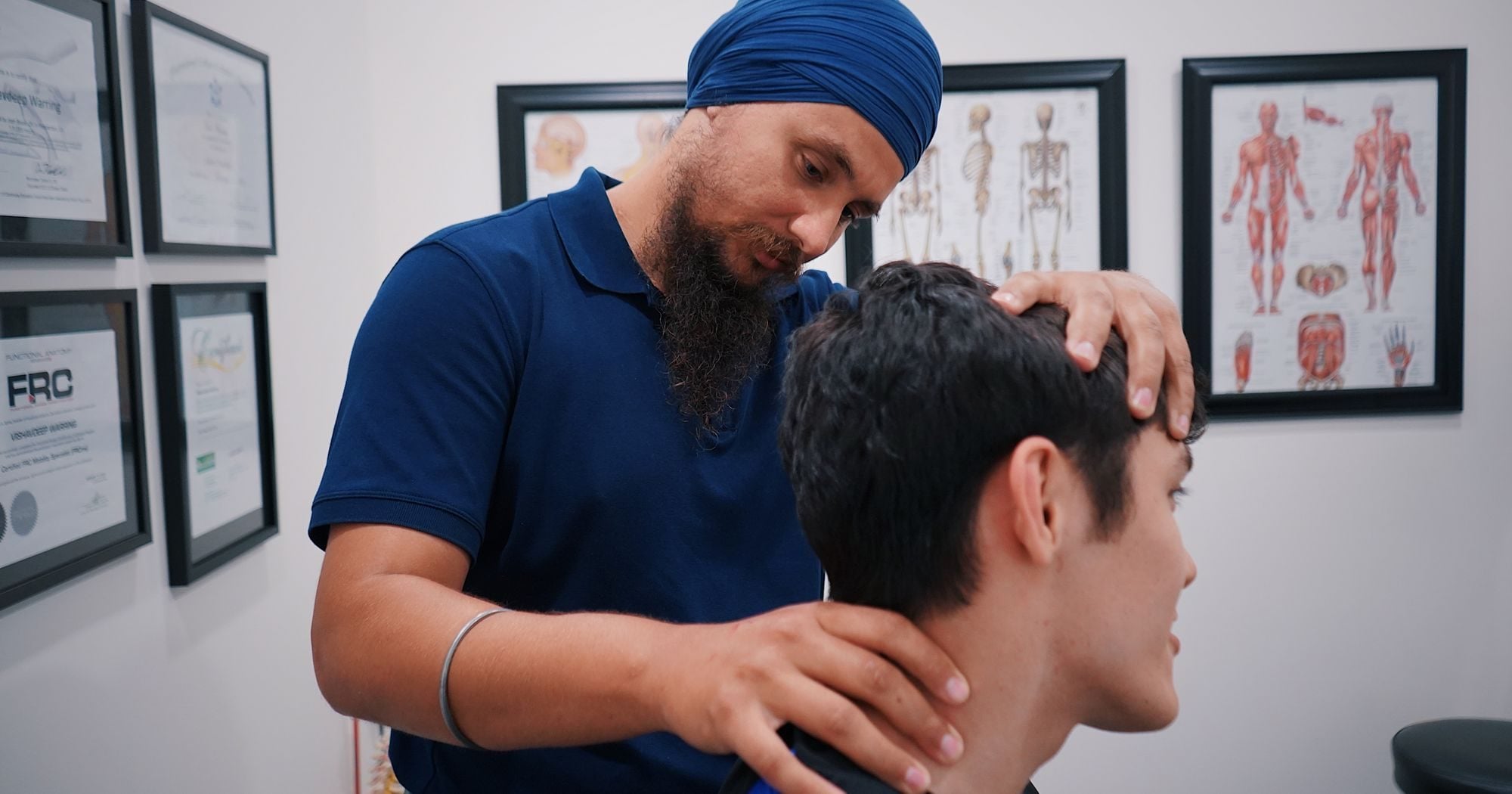
Understanding Post-Concussion Syndrome
Post-concussion syndrome is a condition in which symptoms from a concussion, a mild traumatic brain injury, persist longer than expected. Most people recover from a concussion within several weeks, but a meaningful minority continue to experience headaches, dizziness, fatigue, sleep problems, trouble concentrating, and changes in mood for months. Because the symptoms are often invisible to others, people may feel misunderstood, and the effect on work, school, relationships, and confidence can be significant.
A concussion is caused by a blow or jolt to the head or body that makes the brain move rapidly within the skull. Common causes include motor vehicle collisions, falls, sports injuries, and workplace accidents. Researchers do not fully agree on why some people recover slowly, but risk factors may include a prior concussion, a history of migraine, anxiety or depression, high stress, older age, female sex, and a more severe initial injury. Physical, cognitive, and emotional factors often interact, which is why symptoms can feed one another.
Professional treatment matters because persistent symptoms rarely resolve through rest alone, and prolonged inactivity can sometimes make recovery harder. A structured rehabilitation approach can address the specific ways the injury affects thinking, communication, daily routines, sleep, and emotional health. Working with a coordinated team helps ensure that symptoms are understood, that practical strategies are taught, and that medical concerns are managed alongside therapy so you can recover safely and steadily.
Signs & Symptoms of Post-Concussion Syndrome
- Persistent headaches. Tension-type or migraine-like headaches that continue well beyond the expected healing window.
- Dizziness and balance problems. A sense of unsteadiness, lightheadedness, or spinning, especially with position changes or busy visual settings.
- Difficulty concentrating. Trouble staying focused on conversations, reading, screens, or work tasks.
- Memory lapses. Forgetting recent conversations, appointments, or instructions more often than before the injury.
- Fatigue. Mental and physical tiredness that is out of proportion to activity and not fully relieved by rest.
- Sleep disturbance. Trouble falling asleep, staying asleep, or sleeping far more than usual.
- Sensitivity to light and noise. Ordinary lighting, screens, or sound can feel overwhelming or trigger symptoms.
- Irritability and mood changes. Anxiety, low mood, frustration, or emotional swings that feel out of character.
What to Expect
- Detailed assessment of your injury, symptoms, and daily demands
- Personalized plan with clear, practical goals
- Therapy addressing daily function, speech and cognitive communication, emotional wellbeing, and medical management
- Regular reviews so the plan changes as symptoms change
- Strategies to practice between appointments
How We Treat Post-Concussion Syndrome
Assessment
We begin with a detailed history of your injury, symptoms, and daily demands. Your care team reviews how symptoms affect thinking, communication, movement, mood, and daily activities. The goal is to understand which symptoms are driving your difficulty so nothing is overlooked.
Treatment Plan
Findings are translated into a personalized plan with clear, practical goals. Therapy may address daily function, speech and cognitive communication, emotional wellbeing, and medical management. You help set priorities so the plan fits your work, family, and school life.
Ongoing Care
Recovery is reviewed regularly so the plan can change as symptoms change. Your team coordinates follow-up and adjusts strategies when something is or is not working. You leave visits with strategies to practice between appointments.
Benefits
A Personalized Care Plan
No two concussions look alike. Your plan is built around your symptoms, your responsibilities, and your recovery goals rather than a one-size-fits-all protocol.
Unhurried Time to Ask Questions
Post-concussion symptoms can be confusing and worrying. We make room for your questions so you understand what is happening and what each step is for.
Coordinated Follow-Up
Our team includes occupational therapy, speech therapy, psychiatry, and counseling and case management, so follow-up can be organized across the people involved in your care.
Your Treatment Journey
First Evaluation (Week 1)
We gather your injury history, review your symptoms, and discuss how daily life has changed. Expect a thorough conversation and a clear explanation of next steps.
Treatment Begins (Weeks 2-4)
Therapy starts with focused strategies for your main symptoms, such as pacing, cognitive strategies, and sleep and stress routines. Improvement is often gradual, and some days will be better than others.
Progress Review (Months 2-3)
We compare your current symptoms with your starting point and adjust the plan. Goals may shift toward returning to work, school, or other activities.
Long-term Management
Many people improve substantially within weeks to a few months, while others need longer support. We help you maintain gains and prepare for setbacks.
Warning Signs Needing Prompt Care
Worsening or severe headache. A headache that steadily intensifies or is unlike any you have had before needs prompt medical evaluation.
Repeated vomiting. Ongoing nausea with vomiting after a head injury should be assessed right away.
Seizures or convulsions. Any seizure activity after a head injury is an emergency.
Confusion or disorientation. Increasing confusion, agitation, or inability to recognize people or places requires urgent care.
Weakness or numbness. New weakness, numbness, or loss of coordination in the arms or legs is a warning sign.
Slurred speech or vision changes. Difficulty speaking, double vision, or sudden vision loss needs immediate attention.
Unusual drowsiness. Being unable to wake normally or staying extremely drowsy is a red flag.
Thoughts of self-harm. Depression or hopelessness after injury deserves immediate support; seek emergency help if you feel unsafe.
If you recognize these signs, help is available. Early treatment leads to better outcomes.
Evidence-Based Treatment Approach
Treatment is guided by current evidence for concussion recovery. Rather than prolonged strict rest, guidelines generally support a brief initial rest followed by gradual, symptom-guided return to activity. Occupational therapy can help with pacing, energy conservation, routines, and a graded return to work, school, and daily tasks. Speech therapy can address cognitive communication, including attention, memory strategies, organization, and word-finding. Counseling and psychiatric care can help with anxiety, low mood, sleep disruption, and stress, which commonly prolong symptoms. When appropriate, medication may be considered by a medical provider for specific symptoms such as sleep problems, mood symptoms, or headaches. Education about triggers, sleep habits, hydration, and gradual exercise tolerance supports each of these components.
Why Choose Irvine Neuro Rehabilitation for Post-Concussion Syndrome Treatment
A Personalized Care Plan
Unhurried Time to Ask Questions
Coordinated Follow-Up
Common Questions About Post-Concussion Syndrome
How long does post-concussion syndrome treatment take?
Timelines vary. Many people recover within a few weeks to months, but symptoms lasting longer than that are what define post-concussion syndrome, and some people need extended support. Your team will review progress regularly and give you an honest outlook based on your situation.
Is medication required?
Not always. Many people benefit mainly from therapy, pacing, and sleep and stress strategies. When symptoms such as sleep problems, anxiety, low mood, or headaches are significant, medication may be considered as part of a plan discussed with a medical provider.
Does insurance cover post-concussion treatment?
Coverage depends on your plan and the services involved. Please call us at (248) 415-2500 to ask about coverage, and also check directly with your insurer.
What if the first treatment does not work?
Recovery is rarely a straight line. If an approach is not helping, we reassess your symptoms, change strategies, and involve other members of the care team as needed.
When should I seek help after a concussion?
Seek emergency care for severe or worsening headache, repeated vomiting, seizures, confusion, or weakness. If symptoms simply linger beyond a few weeks and interfere with daily life, it is reasonable to seek a rehabilitation evaluation.
Can post-concussion syndrome affect work or school?
Yes. Concentration, fatigue, and light sensitivity can make work and school difficult. Therapy can focus on practical strategies, pacing, and a gradual return to responsibilities.
Get Help for Post-Concussion Syndrome Today
You don't have to face Post-Concussion Syndrome alone. We are ready to help. Call (248) 415-2500
Schedule an Appointment