
Guillain-Barre Syndrome Treatment in Southfield
Guillain-Barre syndrome is a rare condition in which the immune system attacks the peripheral nerves, causing weakness, numbness, and sometimes paralysis. At Irvine Neuro Rehabilitation, our Southfield team provides rehabilitation, occupational and speech therapy, and ongoing support to help you rebuild strength and independence.
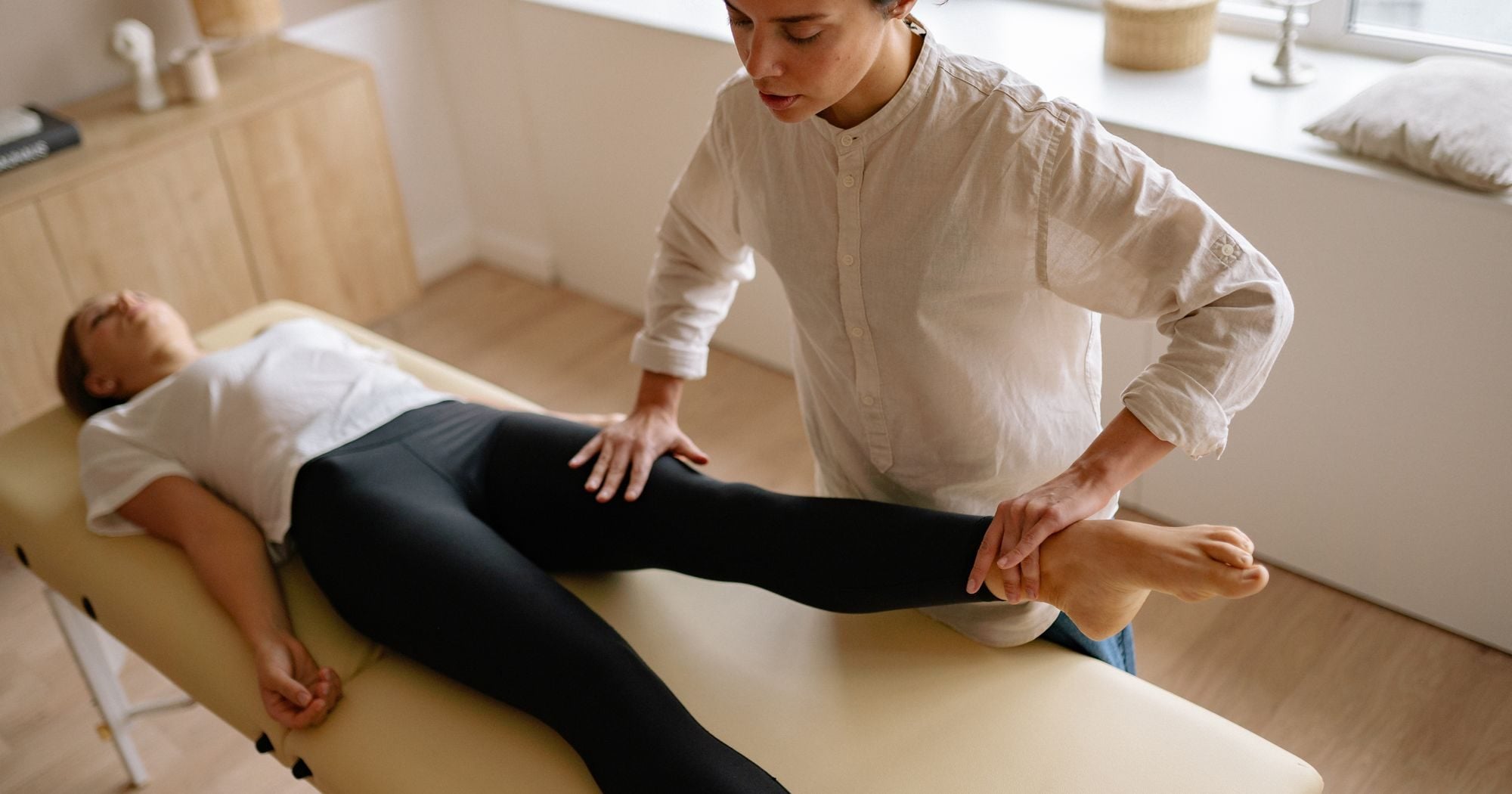
Understanding Guillain-Barre Syndrome
Guillain-Barre syndrome (GBS) is a rare neurological disorder in which the body's immune system mistakenly attacks the peripheral nerves, the pathways that carry signals between the brain, spinal cord, muscles, and skin. It affects roughly one or two people per 100,000 each year and can occur at any age, though it becomes more common in adults and older adults. Symptoms often begin with tingling and weakness in the legs and may progress over days to weeks, sometimes affecting breathing, swallowing, and facial movement.
The exact cause is not fully understood. In many cases GBS follows an infection, such as a stomach illness caused by Campylobacter jejuni, influenza, cytomegalovirus, Epstein-Barr virus, or Zika virus. Rarely it has been reported after surgery or vaccination. Researchers believe the immune response to the infection cross-reacts with nerve tissue, damaging the myelin sheath or the nerve fibers themselves. It is not contagious and is not inherited, and men are slightly more likely than women to develop it.
Acute GBS is a medical emergency treated in the hospital, but the work does not end at discharge. Weakness, fatigue, nerve pain, balance problems, and difficulty with daily tasks can persist for months. Professional rehabilitation helps restore function safely, prevents complications such as contractures and deconditioning, teaches energy conservation, and supports the emotional strain of a sudden loss of independence. Guided, paced therapy gives recovering nerves the best chance to translate healing into real-world ability.
Signs & Symptoms of Guillain-Barre Syndrome
- Tingling or pins and needles. Odd sensations often begin in the toes, feet, or fingers.
- Leg weakness. Weakness usually starts in the legs and can make stairs or standing difficult.
- Weakness that spreads upward. Symptoms commonly climb into the arms and upper body over hours to days.
- Unsteady walking. Poor balance and trouble with coordination raise the risk of falls.
- Reduced or absent reflexes. A clinician may notice knee and ankle reflexes are diminished.
- Muscle or nerve pain. Aching, cramping, or deep pain, often worse at night, is common.
- Profound fatigue. Everyday tasks can become exhausting during illness and recovery.
- Hand weakness. Buttoning, writing, and gripping may become difficult.
What to Expect
- Detailed assessment of strength, sensation, balance, and daily function
- Occupational and speech therapy matched to your current strength and stamina
- Paced sessions that build function without overtaxing recovering nerves
- Mental health support and case management available
- Coordination with your other physicians as needs change
How We Treat Guillain-Barre Syndrome
Assessment
Our team begins with a detailed history, a review of any hospital records, and a hands-on look at strength, sensation, balance, and daily function. We also screen for speech, voice, and swallowing concerns. This establishes a clear baseline so progress can be measured over time.
Treatment Plan
We build a plan around your goals, whether that is dressing independently, returning to work, or communicating clearly. Occupational and speech therapy are matched to your current strength and stamina. Sessions are paced to build function without overtaxing recovering nerves.
Ongoing Care
Recovery from Guillain-Barre syndrome can be gradual, so we review progress regularly and adjust the plan. Mental health support and case management are available to address the emotional and practical sides of recovery. We coordinate with your other physicians as your needs change.
Benefits
A Personalized Care Plan
Guillain-Barre recovery looks different for everyone. Your plan is built around your symptoms, your goals, and your daily routine rather than a one-size-fits-all protocol.
Time to Ask Questions
A sudden neurological illness raises many questions. We take the time to explain what is happening, what recovery may involve, and what each step means.
Coordinated Follow-Up
Our occupational therapy, speech therapy, psychiatry, and case management professionals work together, so your follow-up is connected instead of fragmented.
Your Treatment Journey
First Evaluation (Week 1)
We review your history and hospital records, assess strength, sensation, balance, daily function, and communication or swallowing needs, and agree on priorities together.
Treatment Begins (Weeks 2-4)
Therapy starts at a gentle, carefully paced level. Expect energy conservation strategies, practical task training, and education on avoiding overexertion.
Progress Review (Months 2-3)
We compare results with your baseline and adjust the plan. Gains in Guillain-Barre syndrome can be uneven, and plateaus are normal.
Long-term Management
Many people keep improving for months to years. Some have lasting fatigue, numbness, or weakness, and we help you adapt and maintain function.
Warning Signs That Need Prompt Care
Difficulty breathing. Shortness of breath or a weak cough can signal weakened breathing muscles and is an emergency.
Trouble swallowing. Choking or coughing when eating suggests throat muscle involvement.
Facial weakness. Drooping, trouble smiling, or difficulty closing the eyes needs prompt evaluation.
Double vision. Problems moving the eyes can accompany rapid progression.
Rapidly worsening weakness. Weakness that progresses over hours or a few days needs urgent hospital assessment.
Unstable heart rate or blood pressure. Racing heartbeat, dizziness, or large pressure swings can occur.
Bladder or bowel changes. Difficulty urinating or constipation may appear with autonomic involvement.
Inability to walk. Loss of the ability to stand or walk unaided requires immediate care.
If you recognize these signs, help is available. Early treatment leads to better outcomes.
Evidence-Based Rehabilitation Approaches
Acute GBS is managed in the hospital with intravenous immunoglobulin (IVIG) or plasma exchange, along with supportive care such as breathing monitoring. Our role is the rehabilitation that follows. Evidence-based approaches include occupational therapy for dressing, grooming, hand function, and return to work; graded, low-impact strengthening and mobility work that avoids overexertion; balance and gait training; energy conservation and pacing strategies; speech and swallowing therapy when the voice, throat, or face is affected; and counseling and psychiatric support for anxiety, low mood, and adjustment. Any medication decisions, including those for nerve pain, are made with your physicians.
Why Choose Irvine Neuro Rehabilitation for Guillain-Barre Syndrome Treatment
A Personalized Care Plan
Time to Ask Questions
Coordinated Follow-Up
Common Questions About Guillain-Barre Syndrome
How long does Guillain-Barre syndrome treatment take?
Recovery varies widely. Many people improve over several months, while others need a year or more of rehabilitation, and some have lingering symptoms. Your timeline depends on how severe the illness was and how nerves heal. We review progress regularly and set realistic goals with you.
Is medication required?
Acute Guillain-Barre syndrome is treated in a hospital, usually with intravenous immunoglobulin (IVIG) or plasma exchange. Rehabilitation afterward focuses mainly on therapy. Medication for nerve pain or mood may be considered by your physicians, and our psychiatrist can help with the emotional side of recovery.
Does insurance cover it?
We do not have insurance details to share here. Please call (248) 415-2500 and our team can talk with you about coverage questions before you begin.
What if the first treatment does not work?
Recovery is rarely a straight line. If a strategy is not helping, we change the approach, adjust the intensity, or add other supports. We also coordinate with your other physicians if something needs further medical review.
When should I seek emergency care?
Rapidly spreading weakness, trouble breathing, difficulty swallowing, or inability to walk should be evaluated in an emergency department right away. Guillain-Barre syndrome can progress quickly, and early hospital treatment matters.
Can I fully recover from Guillain-Barre syndrome?
Most people recover substantially, and many return to normal or near-normal activity, though it can take a long time. Some continue to have fatigue, numbness, or weakness. Rehabilitation helps you regain as much function as possible.
Get Help for Guillain-Barre Syndrome Today
You don't have to face Guillain-Barre Syndrome alone. We are ready to help.
Schedule an Appointment