
Difficulty with Daily Living Skills Treatment in Southfield
When everyday tasks like dressing, cooking, managing medications or handling money become hard, independence and confidence can suffer. Our Southfield team combines occupational therapy, speech therapy, psychiatry and case management to help you rebuild the skills that matter most.
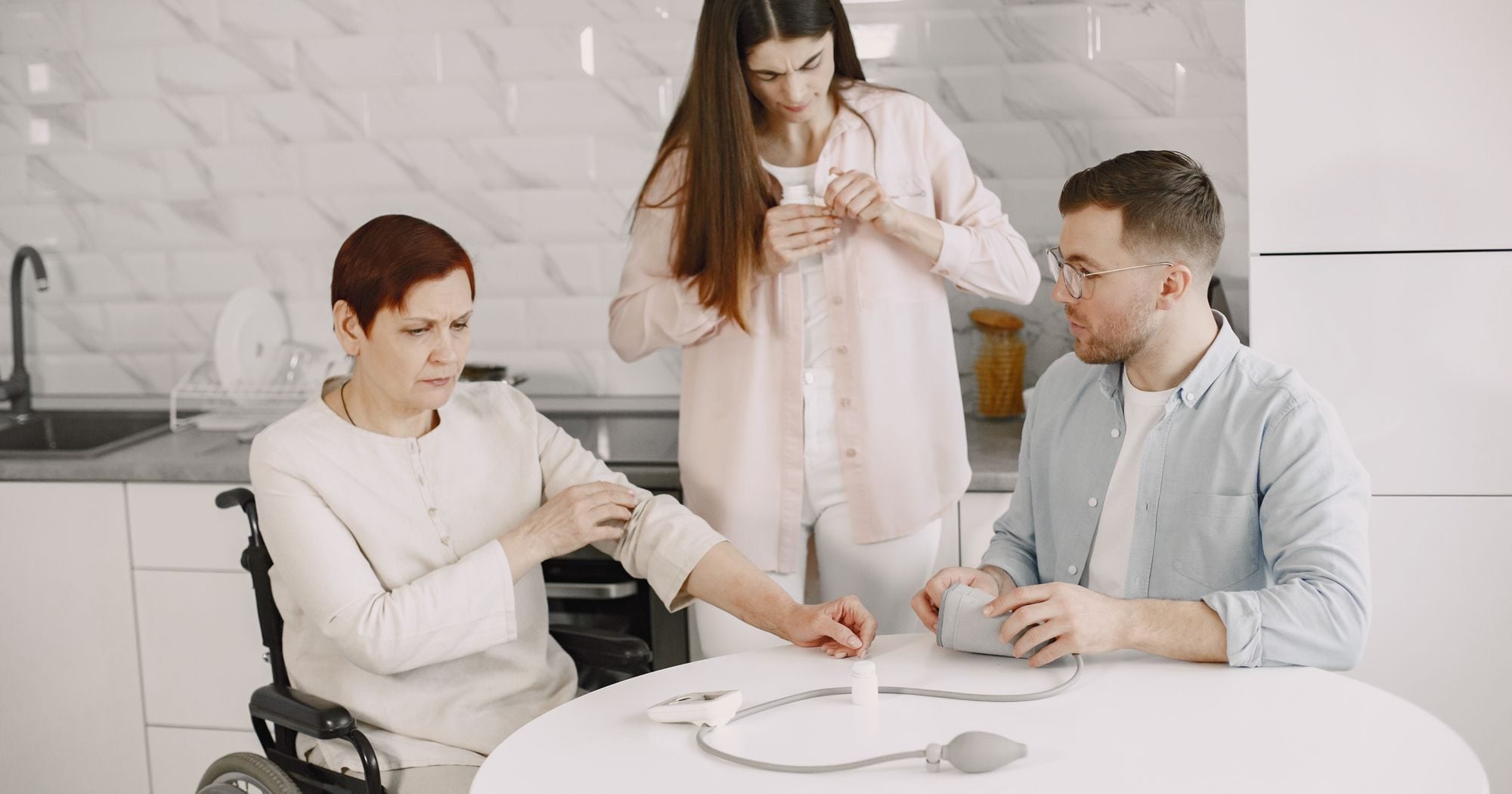
Understanding Difficulty with Daily Living Skills
Daily living skills are the everyday abilities that let a person live as independently as possible. Clinicians often divide them into basic activities, such as bathing, dressing, eating, toileting and moving around, and instrumental activities, such as cooking, cleaning, shopping, managing money, using transportation, keeping appointments and taking medications correctly. Difficulty with these skills is not a diagnosis in itself. It is a functional problem that appears alongside many conditions, including brain injury, stroke, developmental differences, mental health conditions, and age-related cognitive change. It affects people of every age, and it often shapes safety, health, relationships, work and self-esteem. Many people feel frustrated, embarrassed or discouraged, and families may feel worried or stretched thin.
The causes are varied. Problems with memory, attention, planning and problem solving, often called executive function, can make it hard to start tasks, follow steps in order or keep a routine. Physical limitations such as weakness, poor coordination, pain or fatigue can interfere with hands-on tasks. Depression, anxiety, psychosis and other psychiatric conditions can drain motivation and energy or disrupt thinking. Language and communication problems can make it hard to follow instructions, use the phone or ask for help. Risk factors include traumatic brain injury, stroke, neurological disease, developmental or intellectual disabilities, chronic illness, certain medications, substance use, social isolation and major life transitions. Often several factors combine, which is why a careful look at the whole person matters.
Professional treatment matters because untreated difficulty can lead to missed medications, poor nutrition, accidents, unpaid bills, worsening mood and loss of independence. The good news is that daily living skills respond well to targeted, practical help. Therapists can break tasks into manageable steps, teach compensating strategies, recommend adaptive tools and modify routines and environments. A psychiatrist can evaluate mood, anxiety or thinking concerns that are getting in the way, and case management can connect you with resources and keep care organized. Early, coordinated support gives the best chance of restoring confidence and keeping you safe at home and in the community.
Signs & Symptoms of Difficulty with Daily Living Skills
- Trouble with personal care. Bathing, dressing, grooming or toileting takes much longer or needs reminders or help.
- Difficulty preparing meals. Planning, cooking safely and cleaning up afterward feels overwhelming or is skipped.
- Missed or confused medications. Doses are forgotten, doubled or taken at the wrong times.
- Problems managing money. Bills go unpaid, budgeting breaks down, or purchases are made impulsively.
- Household tasks pile up. Laundry, cleaning and basic upkeep fall behind despite good intentions.
- Trouble organizing the day. Starting tasks, sequencing steps and keeping a routine are hard to sustain.
- Difficulty with communication. Making phone calls, following instructions or expressing needs becomes harder.
- Reduced independence. Increasing reliance on family or caregivers for tasks once done alone.
What to Expect
- Assessment of which daily tasks are difficult and what matters most to you
- Practical goals, such as preparing a simple meal or managing a weekly pill organizer
- Occupational therapy, speech therapy, counseling and psychiatric care matched to your needs
- Regular progress reviews with goals adjusted as skills improve
- Case management to coordinate resources and follow-up
How We Treat Difficulty with Daily Living Skills
Assessment
We talk with you and, if you wish, your family about which daily tasks are difficult and what matters most to you. Clinicians observe how you perform activities and consider thinking, communication, physical and emotional factors. The result is a clear picture of strengths, barriers and safety concerns.
Treatment Plan
Together we set practical goals, such as preparing a simple meal or managing a weekly pill organizer. Your plan matches therapy, counseling and psychiatric care to your needs. Each step is explained so you know what to expect and why.
Ongoing Care
We review progress regularly and adjust goals as skills improve or needs change. Case management helps coordinate resources and follow-up. Strategies are built into your real routines so gains carry over to daily life.
Benefits
A Personalized Care Plan
Your goals, routines and challenges shape the plan. Our team includes occupational and speech therapists, a psychiatrist and licensed counselors, so care can reflect your whole situation.
Unhurried Time to Ask Questions
You and your family deserve clear answers. We explain what we find and why we recommend each step, and we welcome your questions along the way.
Coordinated Follow-Up
Case management and regular progress reviews keep your therapies, psychiatric care and community resources working together instead of in separate silos.
Your Treatment Journey
First Evaluation (Week 1)
You describe your concerns and goals, and clinicians review your history, current routines and safety. Expect questions about everyday tasks and possibly a hands-on look at how you complete them.
Treatment Begins (Weeks 2-4)
Sessions start with focused goals and practical strategies. Early progress is often small, such as a working routine or a new tool, and that is a normal start.
Progress Review (Months 2-3)
We check results against your goals, adjust what is not working and add new targets. This is a good time to include family and update resource needs.
Long-term Management
Skills are strengthened and maintained, with support scaled to your needs. Some people complete a defined course; others benefit from periodic check-ins, especially with chronic conditions.
Warning Signs That Need Prompt Care
Unsafe cooking or appliance use. Leaving stoves on or forgetting hot items creates a fire or burn risk.
Medication errors. Missed or repeated doses can cause serious harm and need prompt attention.
Weight loss or poor nutrition. Skipping meals or eating very little signals that basic needs are not being met.
Neglected hygiene or health. Persistent lack of bathing, wound care or appointments suggests rapid decline.
Sudden change in function. An abrupt drop in abilities may point to a medical event and needs urgent evaluation.
Getting lost or confused. Disorientation in familiar places raises safety concerns.
Falls or injuries at home. Repeated accidents suggest the home routine is no longer safe.
Withdrawal, hopelessness or mood changes. Depression, anxiety or thoughts of self-harm require immediate professional support.
If you recognize these signs, help is available. Early treatment leads to better outcomes.
Evidence-Based Approaches
Evidence-based approaches for daily living difficulties include occupational therapy that uses task analysis, graded practice and repetition of real activities; cognitive strategy training for planning, memory and organization; adaptive equipment and home modification recommendations; and routine building with visual schedules, checklists and reminders. Speech therapy can address language, comprehension and cognitive-communication skills that support independence. Counseling, including cognitive behavioral approaches, can address low mood, anxiety and avoidance. When appropriate, a psychiatrist may evaluate for and prescribe medication for an underlying psychiatric condition, and will review any medication that could be affecting alertness or thinking. Case management links you to community resources and supports.
Why Choose Irvine Neuro Rehabilitation for Difficulty with Daily Living Skills Treatment
A Personalized Care Plan, Unhurried Time to Ask Questions, and Coordinated Follow-Up (see benefits).
Recovery Timelines
Recovery timelines vary. Improvement is usually gradual, and setbacks can happen, but steady practice with the right supports can make daily life safer and more manageable.
Contact
Call us at (248) 415-2500
Common Questions About Difficulty with Daily Living Skills
How long does treatment for difficulty with daily living skills take?
It depends on the cause, the skills affected and your goals. Some people gain targeted skills over several weeks, while others, especially after a brain injury or with a chronic condition, benefit from support over many months. Your team reviews progress regularly and adjusts the plan as needs change.
Is medication required?
Not always. Many daily living difficulties are addressed with occupational therapy, speech therapy, counseling and case management. When an underlying condition such as depression, anxiety or another psychiatric concern contributes, a psychiatrist can evaluate whether medication might help. That decision is made together with you.
Does insurance cover treatment?
Coverage varies by plan and by the services involved. We do not list specific accepted plans here, so please call (248) 415-2500 to ask about coverage, and check with your insurer about benefits for therapy and psychiatric care.
What if the first treatment does not work?
Progress is rarely a straight line. If a strategy is not helping, your team reassesses, looks for barriers such as fatigue, mood, thinking or environmental factors, and changes the approach. Adjusting the plan is a normal part of care.
Who is involved in my care?
Our team includes an occupational therapist, a speech therapist, a psychiatrist who serves as Medical Director, and licensed professional counselors who provide case management and counseling. Your plan draws on the professionals who fit your needs.
Can family members take part?
Family and caregivers often play an important role. With your permission, they can learn the strategies being practiced, help build routines at home and share what they observe so the plan stays realistic.
Get Help for Difficulty with Daily Living Skills Today
You don't have to face Difficulty with Daily Living Skills alone. We are ready to help.
Schedule an Appointment