
Recreational Therapy vs Traditional Exercise Therapy
A clear look at how each approach works, so you can choose the path that fits your goals.
Side-by-Side Comparison
Recreational Therapy
Recreational therapy uses purposeful activities such as games, creative arts, social outings, music and adapted leisure pursuits to address physical, cognitive, emotional and social needs. The activity is the tool, and the goal is practical: greater independence and a fuller daily life.
Research on activity-based and leisure-focused interventions suggests benefits for mood, social participation and quality of life, particularly in people recovering from neurological conditions, injury or mental health challenges. Evidence varies by condition, and outcomes depend on how well the program matches individual goals.
A typical participant wants to reconnect with enjoyable activities, build confidence or practice skills in a lower-pressure setting. Expect an initial discussion of interests and goals, then activities that are graded in difficulty and adapted as you progress.
Traditional Exercise Therapy
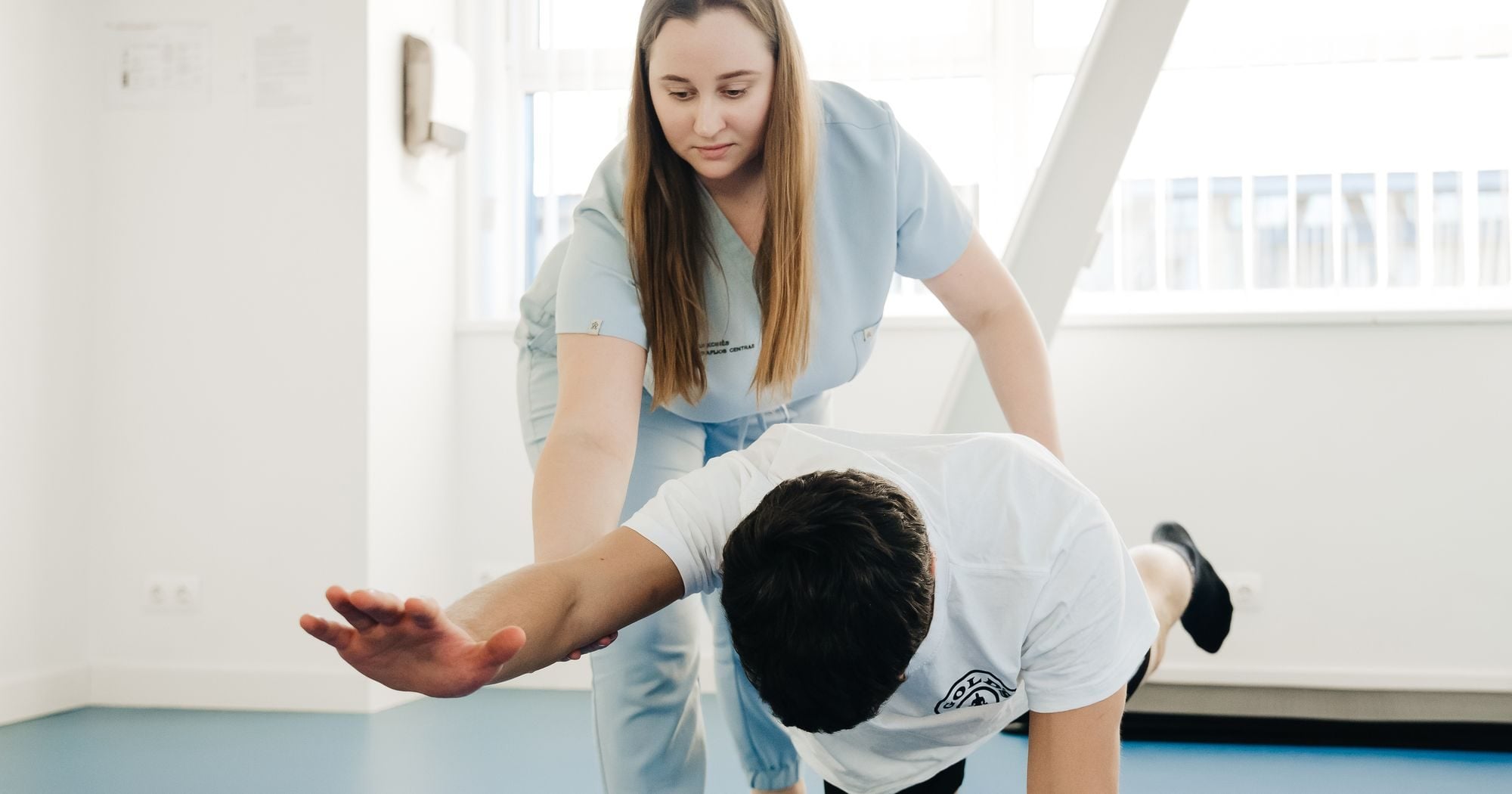
Traditional exercise therapy uses prescribed movements and conditioning to restore or improve physical function. It commonly includes strengthening, stretching, balance work, gait training and aerobic activity, progressed gradually under a therapist's guidance.
Exercise is one of the most widely studied rehabilitation approaches, with solid support for improving strength, mobility and function across many musculoskeletal and neurological conditions. Results depend strongly on consistency and appropriate progression.
A typical patient has identifiable physical limitations after an injury, surgery or illness. Expect an assessment, a tailored plan of exercises, periodic reassessment and a home program to keep progress going between visits.
How to Decide
Choose recreational therapy if...
- Your main goals involve motivation, mood, social connection or confidence.
- You want to rebuild participation in hobbies, leisure and community life.
- Traditional exercise feels repetitive and you struggle to stay engaged.
- You are working on coping, stress management or cognitive and social skills.
Choose traditional exercise therapy if...
- Your main goals involve strength, flexibility, balance or walking.
- You are recovering from surgery, injury or a neurological event with clear physical deficits.
- You want measurable progress on specific movements and a structured home program.
- A physician or therapist has recommended targeted physical conditioning.
Not sure? Many people use a combination. A clinician can help you weigh the options.
Frequently Asked Questions
Can I do both recreational therapy and exercise therapy?
Yes. Many people benefit from combining them, since physical gains from exercise can support participation in meaningful activities. A care team can help coordinate goals so the approaches complement each other.
Which approach works faster?
It depends on your goals, condition and consistency. Exercise therapy often shows measurable physical changes over weeks of regular practice, while recreational therapy gains in engagement and confidence can appear at different paces.
Is recreational therapy just games?
No. Activities are chosen and adapted to meet specific therapeutic goals, such as attention, social skills, coordination or coping. The enjoyment is part of what helps people stay involved.
Will insurance cover these therapies?
Coverage varies by plan and by how the service is billed. Contact your insurer to ask about copays, deductibles, referral requirements and covered visits before starting.
How do I know which one is right for me?
Start by listing what you want to improve and what is getting in the way. A clinician can assess your needs and recommend one approach or a combination. You can call (248) 415-2500 to discuss your situation.
Ready to Choose the Right Approach?
Talk with Irvine Neuro Rehabilitation in Southfield, MI about your goals and options.
Discuss Your Options