
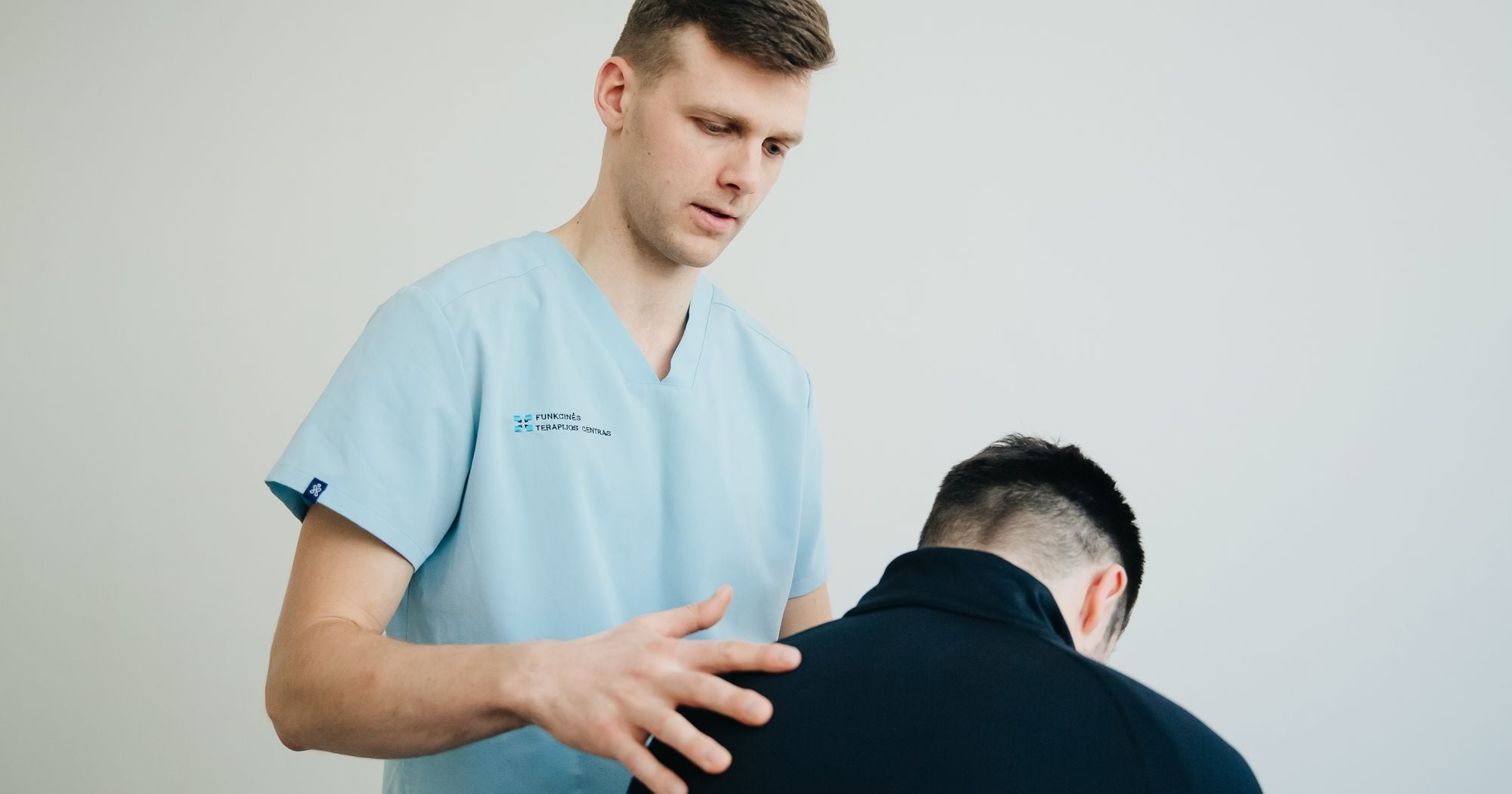
When you are recovering from a stroke, a brain injury, a surgery or a life-altering diagnosis, the last thing you want is to feel like a number on a list. Yet many people describe rehabilitation that feels exactly that way: the same exercises, the same worksheet, the same timeline handed to everyone. Recovery is deeply personal, and care that ignores that rarely delivers what people hope for.
What “one-size-fits-all” rehabilitation looks like
A standardized program applies a fixed protocol to a diagnosis. Everyone with the same condition receives the same exercises, the same number of sessions and the same expectations. Protocols have a place: they give clinicians a reliable starting framework based on research. The problem begins when the framework becomes the entire plan and the person disappears behind it.
Why two people with the same diagnosis recover differently
Two people can share a diagnosis and have very different needs. Recovery is shaped by many factors, including:
- The location and severity of the injury or illness
- Other health conditions, medications and prior function
- Cognitive, communication and emotional changes alongside physical ones
- Work demands, home environment and family support
- Personal goals, from returning to a job to cooking a family meal
A generic plan cannot account for all of this. A person who needs to return to a desk job needs different practice than someone whose priority is dressing independently or speaking clearly with grandchildren.
What the research suggests
Research on neurological rehabilitation consistently points to a few principles. Practice that is meaningful, repeated and relevant to real-life tasks tends to support better functional gains. Goal setting that involves the patient is associated with greater engagement. And because the brain adapts in response to experience, a concept known as neuroplasticity, therapy that is tailored and appropriately challenging is generally considered more effective than generic repetition. Rehabilitation guidelines also commonly encourage coordinated, multidisciplinary care when a condition affects more than one area of function.
The value of a coordinated team
Neurological conditions rarely affect just one thing. Movement, daily activities, speech, thinking, mood and daily coping can all be involved. At Irvine Neuro Rehabilitation, our team includes occupational therapy, speech therapy, psychiatry, case management and counseling. Bringing these perspectives together helps ensure that one area of recovery is not addressed at the expense of another, and that the plan can change as you do.
What individualized rehabilitation should include
- A thorough evaluation of strengths, challenges and history
- Goals that you help define and that matter in daily life
- Regular reassessment, with the plan adjusted as progress occurs
- Attention to emotional wellbeing, not only physical function
- Clear communication with you and your family about what to expect
- Support navigating services, resources and next steps
Questions to ask about your own care
If you are unsure whether your plan fits you, consider asking: How were my goals chosen? What will we do if progress is slower or faster than expected? Who is coordinating the different parts of my care? Are my mood, sleep, memory and communication being considered? A good care team welcomes these questions.
Taking the next step
You deserve rehabilitation built around your life, not just your diagnosis. If your current plan feels generic, or you are wondering what personalized neurological rehabilitation could look like, we invite you to reach out to Irvine Neuro Rehabilitation in Southfield, MI at (248) 415-2500. A conversation is a good place to start.