
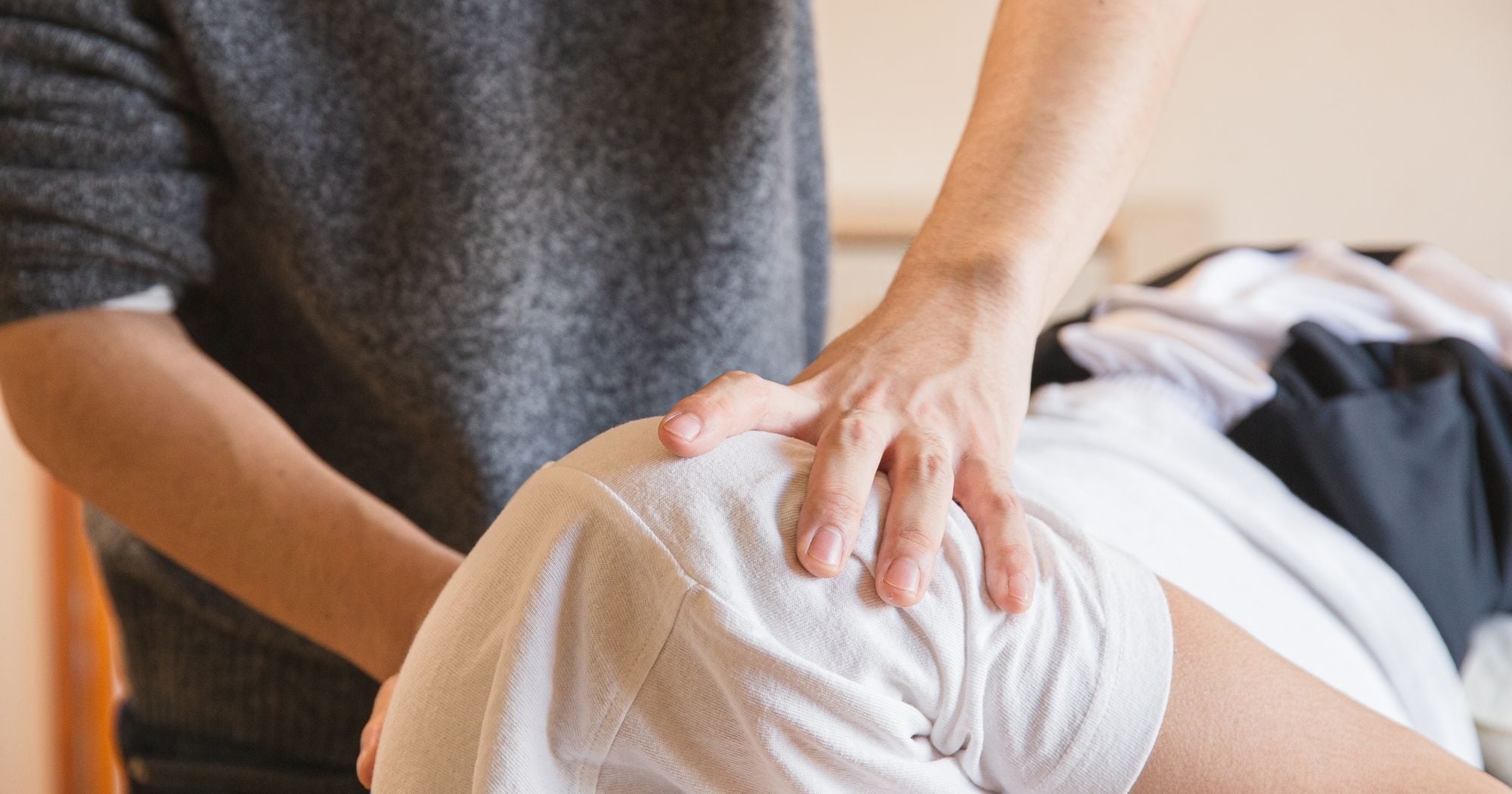
After a stroke, a brain injury, or a major change in health, people often discover that recovery is about much more than one symptom. Walking may improve while words still come slowly. Strength may return while worry, low mood, or exhaustion make each day harder. If you or someone you love is facing this, it can feel overwhelming. Holistic rehabilitation exists because real life is not divided into separate parts.
What Is Holistic Rehabilitation?
Holistic rehabilitation looks at the whole person rather than a single diagnosis or body system. It considers physical function, daily living skills, communication, thinking and memory, emotional wellbeing, and social connection. Instead of treating each area in isolation, professionals from different disciplines work toward shared goals that reflect what the person actually wants to do.
At Irvine Neuro Rehabilitation in Southfield, MI, our team includes an occupational therapist, a speech therapist, a psychiatrist serving as medical director, and licensed counseling and case management professionals. Together, these disciplines reflect the range of needs that often accompany neurological conditions.
Who Can Benefit?
A whole-person approach can be helpful for adults and families dealing with the effects of stroke, traumatic brain injury, concussion, neurological disease, or other conditions that affect movement, thinking, speech, or mood. It can also matter for caregivers, who often carry a great deal of stress while helping a loved one adapt.
Why the Whole Person Matters
Neurological conditions rarely affect only one thing. Fatigue can limit therapy progress. Difficulty finding words can lead to frustration and withdrawal. Depression and anxiety are common after brain injury and stroke, and they can reduce motivation and make thinking harder. When one area goes unaddressed, it can hold back progress in the others.
Consider a person returning to cooking after a stroke. Occupational therapy can help with hand function and safe kitchen routines. Speech therapy can support following multi-step instructions or communicating needs. Counseling can address the fear of making mistakes. Each piece supports the others.
Neurological conditions rarely affect only one thing.
What the Research Suggests
Research on brain injury and stroke recovery has long supported coordinated, multidisciplinary rehabilitation. Studies and clinical guidelines generally find that people who receive team-based care, with therapy tailored to their goals, tend to do better in function and independence than those with fragmented care. Evidence also shows that emotional health matters: untreated depression is linked with poorer participation in rehabilitation and lower quality of life.
The brain's ability to adapt, often called neuroplasticity, is also supported by repeated, meaningful practice. Therapy that connects to real daily tasks gives the brain relevant opportunities to relearn skills. Individual results vary, and a care team can help set realistic expectations.
Practical Ways to Get the Most from Rehabilitation
- Share goals that matter to you, such as cooking, working, driving, or conversation.
- Tell your care team about mood, sleep, and fatigue, not only physical symptoms.
- Involve family or close friends so strategies carry over at home.
- Practice new skills in everyday settings, not just in appointments.
- Ask questions and revisit your goals as your needs change.
Recovery Is a Partnership
Progress is rarely a straight line. There may be good weeks and difficult ones. A holistic approach recognizes this and adjusts, offering support for the practical, emotional, and medical sides of recovery. Case management can also help families navigate next steps and connect with resources.
If you are wondering whether a whole-person approach could help you or someone you care about, we invite you to reach out. Call (248) 415-2500 or use our contact page to start a conversation with our Southfield team.