
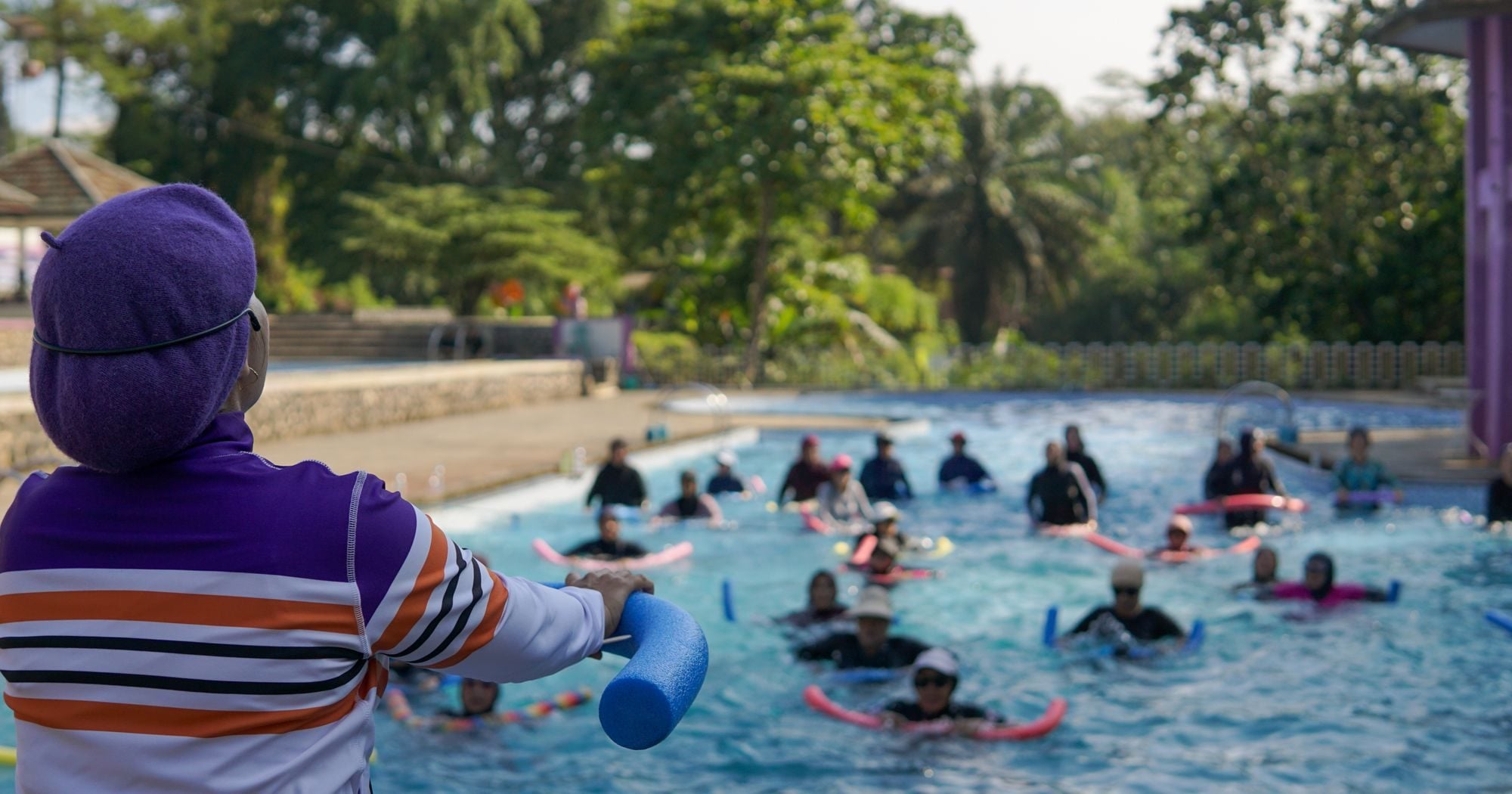
After a stroke, a brain injury, or a long illness, many people notice that the things that once made life feel like their own, such as a favorite game, a walk with a friend, or a weekend hobby, suddenly feel out of reach. Recovery is not only about regaining strength or speech. It is also about returning to a life that feels worth living. That is where recreational therapy comes in.
What Is Recreational Therapy?
Recreational therapy, sometimes called therapeutic recreation, is a form of rehabilitation that uses meaningful leisure activities to improve physical, cognitive, emotional, and social functioning. Rather than practicing isolated exercises, a person works toward goals through activities such as games, creative projects, gentle movement, music, gardening, or community outings.
The activities are chosen to match a person's interests and abilities, then adapted as skills grow. Because the work feels purposeful, many people stay more engaged than they might with repetitive drills alone.
How It Fits With Other Rehabilitation
Recreational therapy works alongside other disciplines rather than replacing them. Occupational therapy focuses on daily tasks like dressing, cooking, and returning to work. Speech therapy addresses communication, language, and swallowing. Counseling and psychiatric care support mood, coping, and mental health. Recreational activities can reinforce all of these goals in a more enjoyable setting, helping skills carry over into everyday life.
Who Can Benefit?
Recreational therapy is used with people of many ages and conditions. It may be helpful for individuals who are:
- Recovering from stroke or traumatic brain injury
- Living with a neurological condition such as multiple sclerosis or Parkinson’s disease
- Coping with depression, anxiety, or other mental health challenges
- Experiencing memory or thinking changes
- Adjusting to physical limitations after injury or illness
- Feeling isolated or withdrawn from social activities
What the Research Suggests
Studies of therapeutic recreation and activity-based rehabilitation have reported benefits including improved mood, reduced stress, better social participation, and greater confidence in daily life. Research on stroke and brain injury recovery also shows that active, task-oriented, and enjoyable practice can support neuroplasticity, the brain's ability to form new connections. Results vary from person to person, and recreational therapy is generally most effective as part of a broader, coordinated care plan.
What to Expect
Care typically begins with a conversation about what matters to you: your interests, your history, and what you hope to do again. From there, a therapist helps set realistic goals and builds activities around them. Progress is reviewed over time, and activities are adjusted as abilities change.
Practical Steps You Can Take Now
- Make a list of activities you loved before your injury or illness
- Start small, even ten minutes of a favorite pastime counts
- Invite a friend or family member to join you
- Talk with your care team about which activities are safe for you
- Be patient with setbacks; fatigue and frustration are common in recovery
Taking the Next Step
If you or someone you love is rebuilding after a neurological injury, illness, or a difficult period, you do not have to figure it out alone. Irvine Neuro Rehabilitation in Southfield, MI provides rehabilitation and mental health support through a team that includes occupational therapy, speech therapy, psychiatry, and counseling. Call (248) 415-2500 to ask how we can help.