
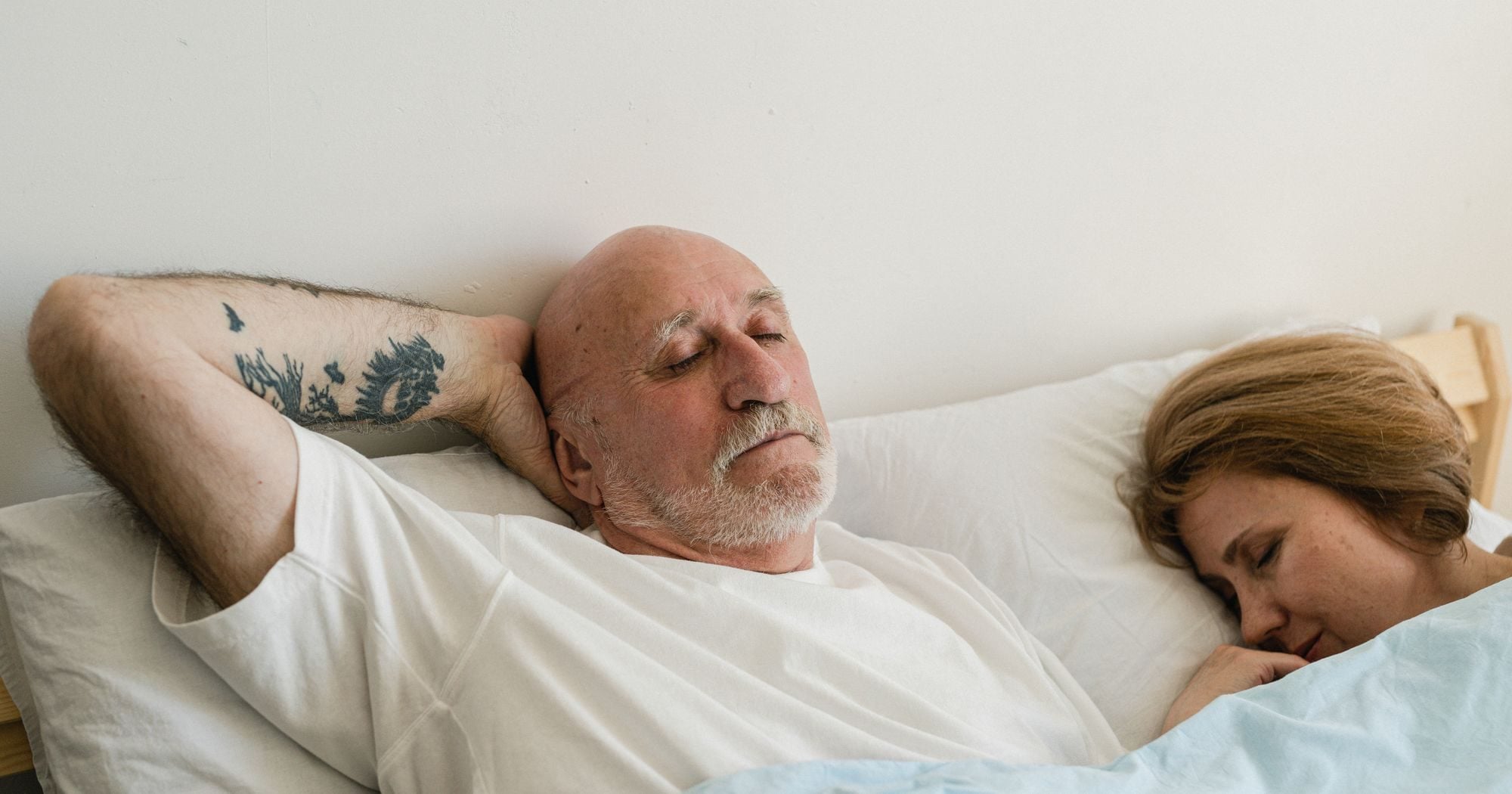
You are exhausted, yet when the lights go out, sleep does not come. Or perhaps you sleep for ten hours and still wake up foggy. After a brain injury, this frustrating pattern is common, and it can feel like one more thing standing between you and getting back to your life. The good news is that sleep problems after brain injury are well recognized, and there are practical ways to address them.
Why Sleep Matters for the Healing Brain
Sleep is not simply downtime. During sleep, the brain consolidates memories, strengthens the connections involved in learning, and clears metabolic waste that builds up during waking hours. Research suggests these processes are especially important when the brain is adapting after injury. Rest also supports mood, attention, and the energy needed for therapy sessions and daily tasks.
When sleep is poor, many of the symptoms people already struggle with, such as headaches, irritability, slowed thinking and trouble concentrating, can feel worse. That is why sleep is often treated as a core part of recovery rather than an afterthought.
How Brain Injury Disrupts Sleep
Brain injury can affect the areas and chemical signals that regulate the sleep-wake cycle, including the body's internal clock and the release of melatonin. Pain, anxiety, depression, medication side effects and changes in daily routine can add to the problem. Common patterns include:
- Insomnia, meaning difficulty falling or staying asleep
- Hypersomnia, or sleeping far more than usual
- Shifted sleep timing, such as being awake at night and drowsy by day
- Fragmented, unrefreshing sleep
- Sleep apnea and other sleep-related breathing problems
Who Is Affected
Sleep difficulties are reported across the full range of brain injuries, from concussion to more severe traumatic injury, and also after stroke and other neurological conditions. Studies have found that a large share of people with traumatic brain injury report ongoing sleep disturbance, and these problems can persist for months or years. Having trouble sleeping does not mean you are not trying hard enough. It is a recognized effect of the injury itself.
What the Evidence Suggests
Research links better sleep with better attention, memory and mood during recovery, and poor sleep with greater fatigue and slower progress. Cognitive behavioral approaches to insomnia, light exposure strategies and consistent routines have shown promise in people with brain injury. Medication may help in some situations, but it needs careful oversight because some sleep aids can affect thinking and balance. Treatment should be individualized and guided by a qualified clinician.
Practical Steps That May Help
Small, consistent changes often make the biggest difference. Consider these general strategies:
- Keep a consistent bedtime and wake time, including weekends.
- Get natural daylight early in the day to help anchor your body clock.
- Keep the bedroom cool, dark and quiet, and reserve it for sleep.
- Limit caffeine after midday and avoid alcohol close to bedtime.
- Turn off screens for an hour before bed, or dim them and reduce brightness.
- Keep naps short (about 20 to 30 minutes) and early in the afternoon.
- Try a calming wind-down routine such as gentle stretching, reading or slow breathing.
Pacing Your Day and Protecting Your Energy
Fatigue after brain injury is different from ordinary tiredness. Planning demanding tasks for your best hours, building in rest breaks, and breaking larger jobs into smaller steps can reduce the crash that disrupts sleep later. Keeping a simple sleep diary for a couple of weeks, noting bedtime, wake time, naps and how you feel, gives you and your care team useful information.
When to Seek Professional Help
Reach out to a healthcare professional if sleep problems last more than a few weeks, if you snore loudly or stop breathing during sleep, if daytime sleepiness makes activities unsafe, or if low mood or anxiety is keeping you awake. Sleep is closely tied to emotional health, cognition and daily function, so a coordinated approach can be valuable. If you are looking for support, call Irvine Neuro Rehabilitation in Southfield, MI at (248) 415-2500 to talk about your needs.