
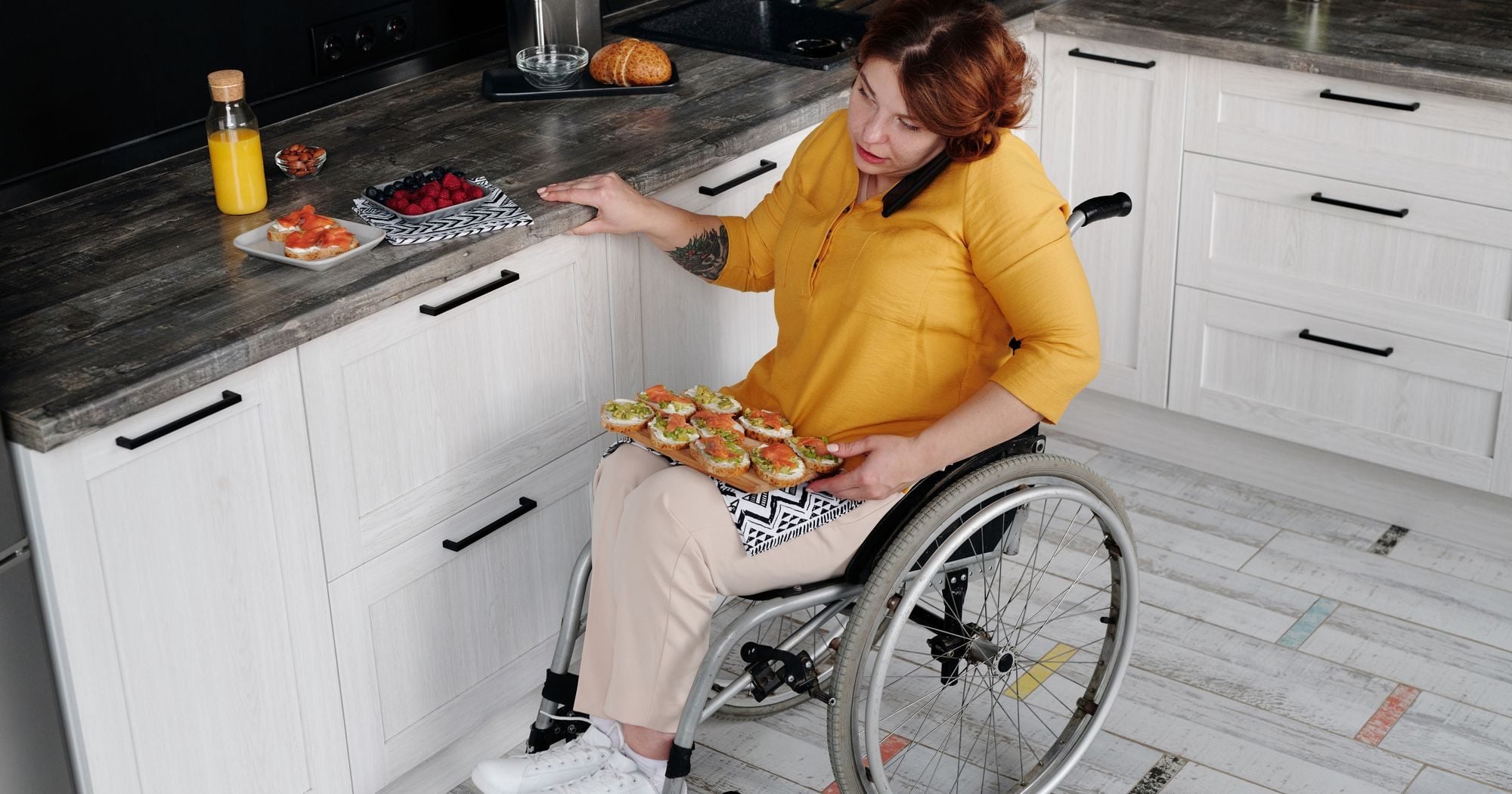
Home should be the place where you feel most at ease. After a stroke, brain injury, or a change in thinking, movement or communication, familiar rooms can suddenly feel full of obstacles. A step you once ignored, a high shelf, a slippery shower floor: each can quietly erode confidence. The good news is that thoughtful changes to your surroundings can make daily life safer and help you do more for yourself.
What Does Adapting a Home Mean?
Home adaptation means changing the space, the tools you use, or the way a task is done so that it fits your current abilities. Some changes are simple and inexpensive, like better lighting or a non-slip mat. Others are larger, such as widening a doorway or adding a ramp. The goal is not to make a home feel clinical. It is to remove barriers so that you can spend your energy on what matters to you.
Who Can Benefit?
Adaptations can help people living with the effects of stroke, traumatic brain injury, multiple sclerosis, Parkinson's disease, and other neurological or medical conditions. They also help people with weakness, balance problems, fatigue, vision changes, or difficulty with memory and planning. Family members and caregivers benefit too, since a safer home often means less physical strain and less worry.
Why It Matters: What the Research Suggests
Falls are a leading cause of injury in older adults and in people with neurological conditions, and many happen at home. Studies of home hazard assessment and modification, often led by occupational therapists, have found that these changes can reduce fall risk, particularly for people who are already at higher risk. Beyond safety, being able to bathe, cook or dress with less help is closely tied to dignity, mood and quality of life.
Practical Changes to Consider
Start with the rooms where you spend the most time and the tasks that feel hardest. These ideas are common starting points:
- Remove loose rugs and secure cords along walls to reduce tripping hazards.
- Install bright, even lighting in hallways, stairways and bathrooms.
- Add grab bars near the toilet and in the shower, anchored into wall studs.
- Place frequently used items between waist and shoulder height.
- Use a shower chair and handheld shower head to conserve energy and balance.
- Add sturdy handrails on both sides of stairs, or consider a ramp where needed.
Supporting Memory, Thinking and Communication
Independence is not only physical. If memory, attention or planning has changed, visual cues can help. Labels on cabinets, a large wall calendar, a single place for keys and medications, and written step-by-step routines reduce the mental load of daily tasks. If speech or language is affected, keeping a simple communication board or reducing background noise in busy rooms can make conversations easier for everyone.
Make Changes Gradually and Together
Needs change over time, so it helps to adapt in stages. Involve the person who lives in the home in every decision, since the best setup is one they will actually use. Try equipment before buying when possible, and ask a qualified professional to assess your home and routines. An occupational therapist can watch how you move through daily tasks and recommend changes tailored to you rather than a generic checklist.
Take the Next Step
You do not have to figure this out alone. If you or someone you love is struggling with daily tasks at home, professional guidance can make adjustments feel manageable and keep them focused on your goals. Call Irvine Neuro Rehabilitation in Southfield, MI at (248) 415-2500 or reach out through our contact page to talk about your situation.